Welcome to the ultimate guide to making perfect Sautéed Vegetables. If you’ve ever struggled with mushy, bland, or unevenly cooked veggies, you’ve come to the right place. This recipe is more than just a list of ingredients; it’s a masterclass in technique that will transform a simple side dish into a vibrant, flavorful, and incredibly satisfying part of any meal. Forget everything you thought you knew, because we’re about to make the best sautéed vegetables of your life—crisp-tender, packed with flavor, and ready in under 20 minutes.
This dish is a cornerstone of quick and healthy cooking. It’s versatile enough to pair with almost any main course and simple enough for a busy weeknight. We’ll unlock the secrets to achieving that perfect texture and taste every single time.
Why This Sautéed Vegetables Recipe is a Game-Changer
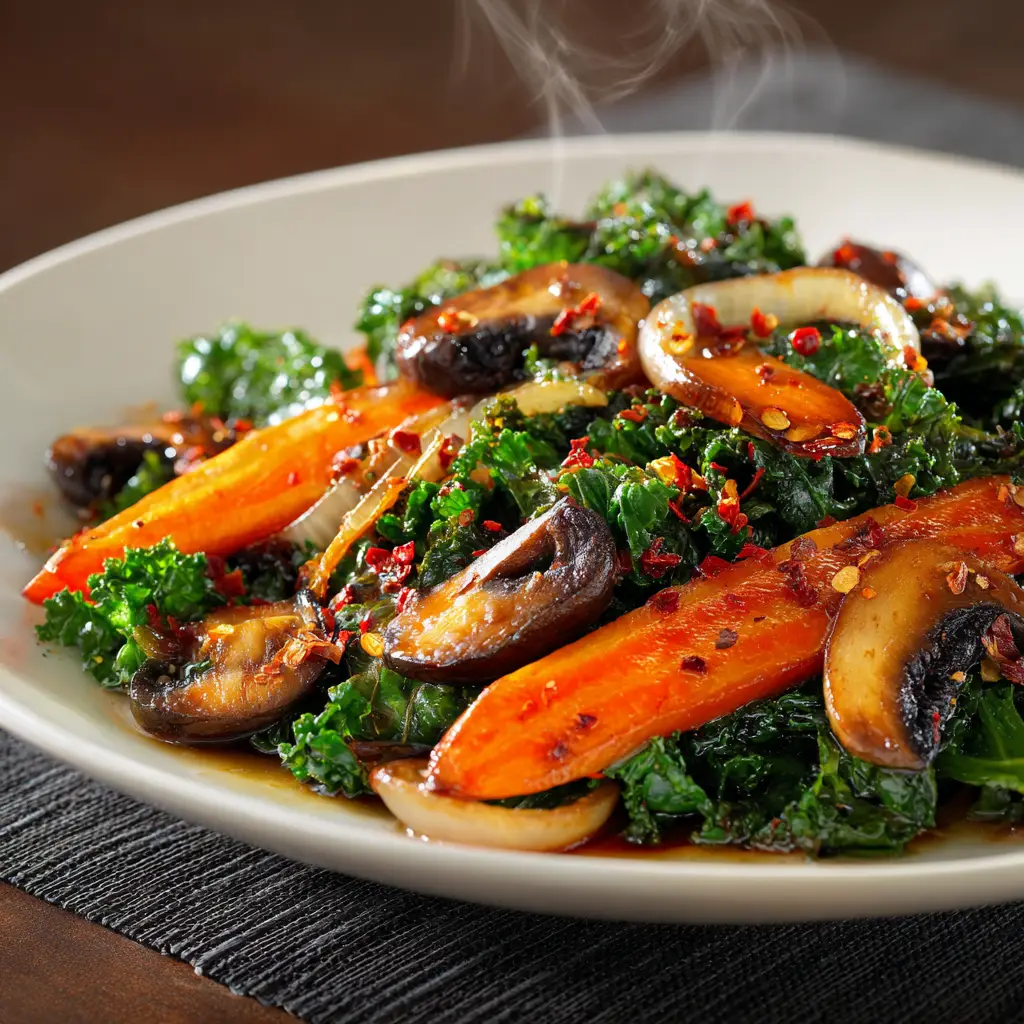
What makes this recipe for Sautéed Vegetables stand out? It’s all about the method. We focus on a few simple, non-negotiable rules that guarantee success. By controlling heat, space, and timing, we elevate humble vegetables into something truly special. This isn’t just about tossing vegetables in a pan; it’s about understanding how to bring out their natural sweetness and texture without turning them into a soggy mess. It’s a foundational skill that will make you a more confident and effective home cook.
The Secret to Perfectly Crisp-Tender Sautéed Vegetables
The difference between amazing and mediocre sautéed vegetables lies in the details. Follow these four core principles, and you’ll never have a disappointing batch again.
Tip 1: The Right Pan is Key
Start with a large, heavy-bottomed skillet or sauté pan. A cast-iron skillet or a wide stainless-steel pan is ideal because they retain heat exceptionally well. This consistent high heat is crucial for getting a good sear on the vegetables, which locks in flavor and prevents them from steaming.
Tip 2: Don’t Crowd the Pan
This is the most common mistake home cooks make. Overloading the pan drops the temperature and causes the vegetables to steam in their own moisture, leading to a soft, mushy texture. Cook in batches if necessary. Your vegetables need space to make direct contact with the hot surface of the pan.
Tip 3: Prep Your Veggies Correctly
Ensure your vegetables are washed and thoroughly dried before they hit the pan. Water is the enemy of a good sear. Cut your vegetables into uniform, bite-sized pieces so they cook evenly. This simple step makes a world of difference.
Tip 4: High Heat is Your Friend
Don’t be afraid to turn up the heat. Get your pan and cooking oil hot before adding the vegetables. You should hear a distinct sizzle the moment they land in the pan. This initial blast of high heat is what creates that delicious caramelization and crisp-tender bite.
Ingredients You’ll Need
This recipe is a template for success. While the specific vegetables can be swapped out based on what’s in season or in your fridge, the foundation remains the same.
- Olive Oil: Use a good quality olive oil or another high-smoke-point oil like avocado oil.
- Garlic: Freshly minced garlic provides the aromatic base.
- The Vegetables: A mix of hard and soft veggies provides great texture. We’re using broccoli, bell peppers, carrots, zucchini, and red onion.
- Seasoning: Kosher salt, freshly ground black pepper, and a touch of Italian seasoning are all you need.
How to Sauté Vegetables Step-by-Step
Follow these simple steps for flawless Sautéed Vegetables every time.
- Heat the Pan: Place a large skillet over medium-high heat. Add the olive oil and let it get hot until it shimmers.
- Sauté Aromatics: Add the minced garlic and cook for about 30 seconds until fragrant, being careful not to burn it.
- Cook Hard Vegetables: Add the harder vegetables that take longer to cook, such as carrots and broccoli florets. Sauté for 4-5 minutes, stirring occasionally, until they begin to soften.
- Add Soft Vegetables: Add the softer vegetables like zucchini, bell peppers, and red onion to the pan. Continue to cook, stirring frequently, for another 5-7 minutes.
- Season and Serve: The vegetables are done when they are bright in color and crisp-tender. Season generously with salt, pepper, and Italian seasoning. Serve immediately.
Customizing Your Sautéed Vegetables
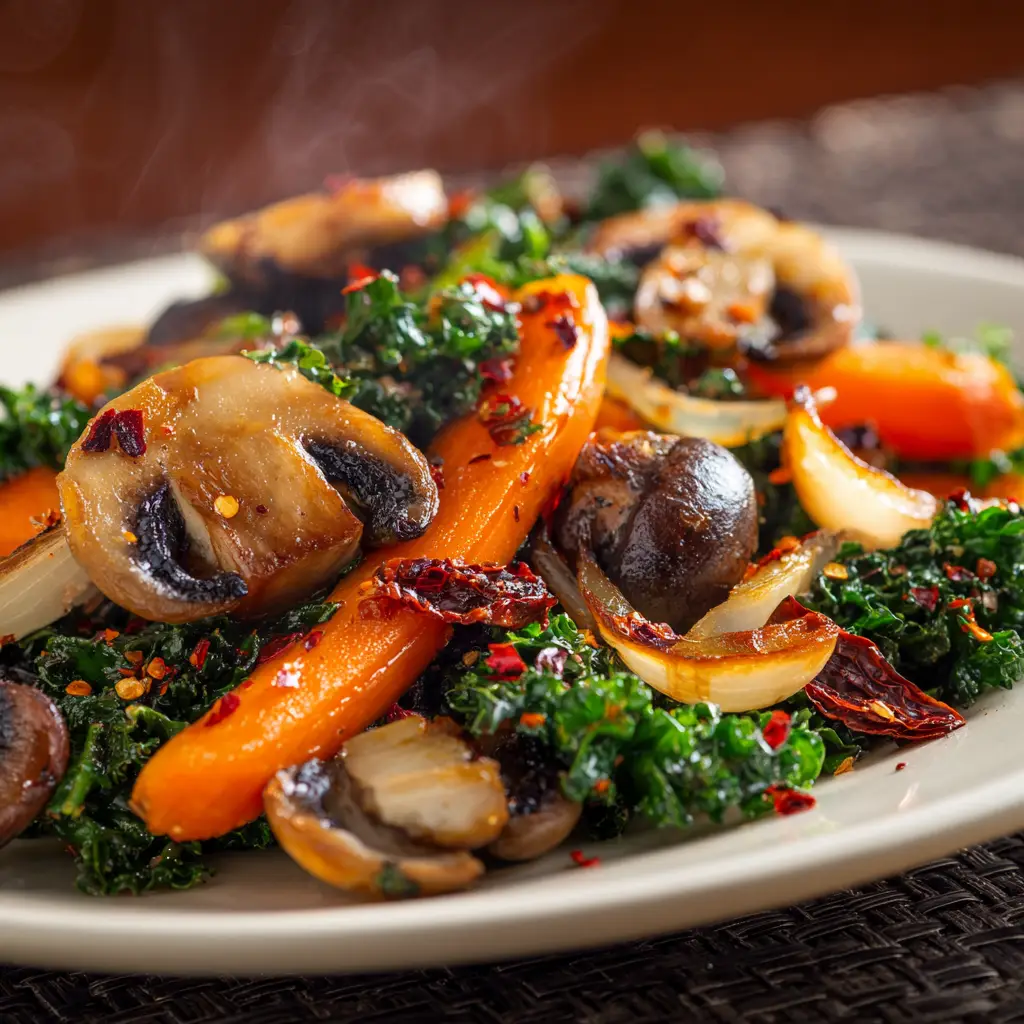
One of the best things about this dish is its versatility. You can easily adapt it to suit your tastes or complement your main course.
Best Vegetables for Sautéing
Create your own perfect mix! Just remember to add harder veggies first.
- Hard Vegetables: Carrots, broccoli, cauliflower, Brussels sprouts, potatoes, sweet potatoes.
- Medium Vegetables: Bell peppers, onions, asparagus, green beans, mushrooms.
- Soft Vegetables: Zucchini, yellow squash, spinach, kale, cherry tomatoes, snow peas.
Delicious Flavor Variations
- Asian-Inspired: Swap olive oil for sesame oil, add minced ginger with the garlic, and finish with a splash of soy sauce and a sprinkle of sesame seeds.
- Mexican-Inspired: Season with cumin, chili powder, and a pinch of oregano. Finish with a squeeze of fresh lime juice and chopped cilantro. This would pair wonderfully with some crock pot birria tacos.
- Spicy Garlic: Add a pinch of red pepper flakes with the garlic for a spicy kick. This flavor profile is delicious alongside a main course like Cajun Salmon.
What to Serve with Sautéed Vegetables
These versatile veggies are the perfect side dish for almost any protein. They pair beautifully with grilled chicken, steak, fish, or pork. For a complete meal, serve them alongside a hearty main like Texas Roadhouse Smothered Chicken or stir them into your favorite pasta. We even love them with a simple bowl of rice or quinoa.
Storing and Reheating Leftovers
While sautéed vegetables are best enjoyed fresh, you can store leftovers in an airtight container in the refrigerator for up to 3 days. To reheat, warm them in a skillet over medium heat for a few minutes until heated through. Avoid the microwave, as it can make them soft.
Frequently Asked Questions
There are three keys: use a hot pan, don’t overcrowd it (cook in batches if needed), and don’t cover the pan, which traps steam and prevents browning.
It depends on the vegetable, but generally, it takes 8-12 minutes. Start with harder vegetables for 4-5 minutes before adding softer ones for another 5-7 minutes until everything is crisp-tender.
A mix of hard and soft vegetables works best. Hard vegetables like carrots and broccoli need a little more cooking time, while soft ones like zucchini, bell peppers, and mushrooms cook quickly.
An oil with a high smoke point is ideal. Avocado oil, canola oil, grapeseed oil, or a light olive oil are all excellent choices for sautéing at medium-high heat.
Start with the basics: salt, black pepper, and fresh garlic. From there, you can add Italian seasoning, red pepper flakes for heat, or fresh herbs like parsley or thyme at the end of cooking.
More Recipes You’ll Love
We hope you love this guide to making perfect Sautéed Vegetables. If you do, please leave a comment below and share it on Pinterest! Your support helps us create more delicious content for you.
Sautéed Vegetables Recipe
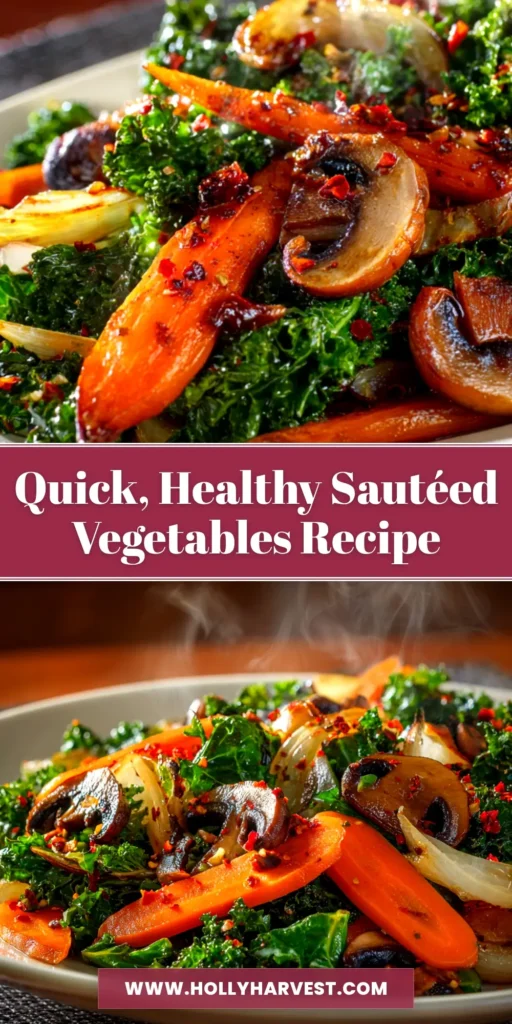
Sautéed Vegetables (The Only Recipe You’ll Ever Need)
Ingredients
Equipment
Instructions
- Heat the olive oil in a large skillet or sauté pan over medium-high heat until it shimmers.
- Add the minced garlic and cook for 30 seconds until fragrant. Be careful not to let it burn.
- Add the sliced carrots and broccoli florets to the pan. Sauté for 4-5 minutes, stirring occasionally, until they start to become tender.
- Add the sliced bell pepper, zucchini, and red onion to the skillet. Continue to cook for another 5-7 minutes, stirring often, until all vegetables are crisp-tender and lightly browned.
- Remove from heat and season with salt, pepper, and Italian seasoning. Toss to combine and serve immediately.
Notes
Uniform Cuts: Cut vegetables into similar-sized pieces to ensure they cook at the same rate.
High Heat: Ensure your pan is hot before adding the vegetables. This is essential for getting a good sear and preventing sogginess.