There’s nothing quite like a heaping plate of savory, slurp-worthy noodles, and this Chow Mein Recipe is here to satisfy all your cravings. Forget the takeout menu! In less than 30 minutes, you can create a vibrant, flavorful, and incredibly satisfying meal right in your own kitchen. This recipe is all about fresh ingredients, a perfectly balanced sauce, and noodles cooked just the way you like them.
What is Chow Mein?
Chow Mein is a classic Chinese stir-fried noodle dish. The name itself translates to “stir-fried noodles.” It typically consists of steamed noodles that are then stir-fried with vegetables, a protein like chicken, beef, or tofu, and a savory sauce. The texture of the noodles can range from soft to crispy, depending on the cooking method.
Chow Mein vs. Lo Mein: What’s the Difference?
This is a common question! The main difference lies in how the noodles are prepared. For Chow Mein, the noodles are often fried separately to achieve a crispier texture before being combined with the other ingredients. In Lo Mein, cooked noodles are simply tossed with the sauce and other ingredients at the end, resulting in a softer, saucier dish. This recipe leans towards the softer side, but we’ll include a tip to get those noodles extra crispy if you like!
Why You’ll Love This Easy Chow Mein Recipe
- Quick and Easy: This entire meal comes together in under 30 minutes, making it perfect for a busy weeknight.
- Better Than Takeout: It’s fresher, more flavorful, and you control the ingredients. No mystery oils or excessive sodium here!
- Completely Customizable: Swap out the veggies or protein based on what you have on hand. It’s a fantastic “clean out the fridge” meal.
- One-Pan Wonder: Fewer dishes mean less cleanup, and who doesn’t love that?
Ingredients You’ll Need
This recipe uses simple ingredients that are easy to find at most grocery stores. Here’s what you’ll need to gather.
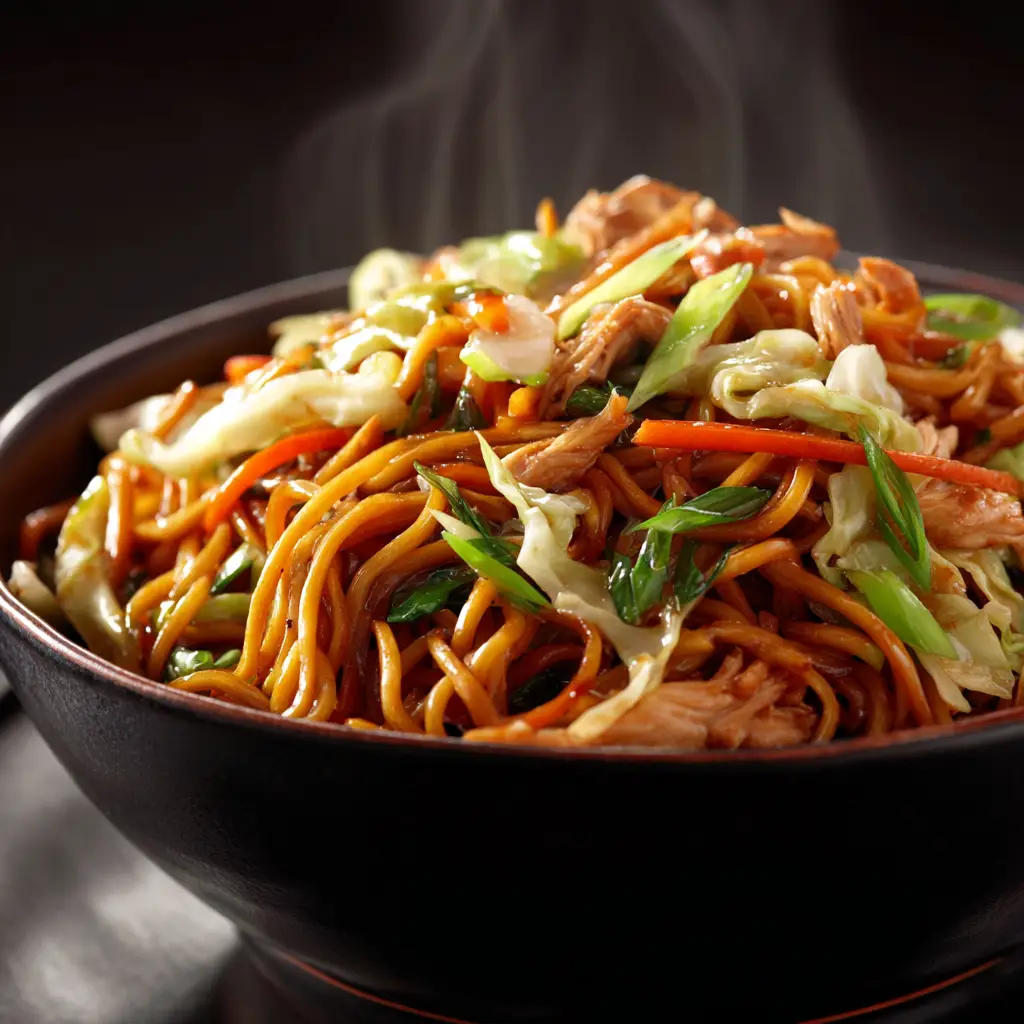
For the Savory Chow Mein Sauce
- Soy Sauce: The foundation of our sauce, providing a salty, umami flavor.
- Oyster Sauce: Adds a rich, savory, and slightly sweet depth.
- Sesame Oil: For a nutty, aromatic finish.
- Cornstarch: Helps to slightly thicken the sauce so it coats every noodle.
- Brown Sugar: A touch of sweetness to balance the saltiness.
For the Stir Fry
- Chow Mein Noodles: You can find these fresh or dried in the international aisle of most supermarkets.
- Chicken Breast: Thinly sliced for quick cooking. You can also use beef, shrimp, or make it vegetarian with crispy honey-garlic tofu.
- Garlic and Ginger: The aromatic dream team that builds the flavor base.
- Vegetables: We’re using a classic mix of carrots, cabbage, and bean sprouts for that perfect crunch. This is a great way to use up any leftover sautéed vegetables you might have.
- Green Onions: For a mild, fresh onion flavor and a pop of color.
- Oil: A neutral oil with a high smoke point like canola, vegetable, or avocado oil is best for stir-frying.
How to Make This Chow Mein Recipe
Follow these simple steps to create a delicious noodle dish at home.
- Prepare the Noodles: Cook the chow mein noodles according to the package directions. Drain them well and set aside.
- Mix the Sauce: In a small bowl, whisk together the soy sauce, oyster sauce, sesame oil, cornstarch, and brown sugar. Set this aside.
- Cook the Chicken: Heat the oil in a large skillet or wok over medium-high heat. Add the thinly sliced chicken and cook until it’s golden brown and cooked through. Remove the chicken from the skillet and set it aside.
- Sauté Aromatics and Veggies: Add a bit more oil to the skillet if needed. Add the minced garlic and grated ginger and cook for about 30 seconds until fragrant. Add the carrots and cabbage, stir-frying for 3-4 minutes until they are tender-crisp.
- Combine Everything: Add the cooked noodles, cooked chicken, and bean sprouts to the skillet with the vegetables. Pour the prepared sauce over everything.
- Toss and Serve: Use tongs to toss everything together, ensuring the noodles and veggies are well-coated in the sauce. Cook for another 1-2 minutes until everything is heated through. Garnish with sliced green onions and serve immediately.
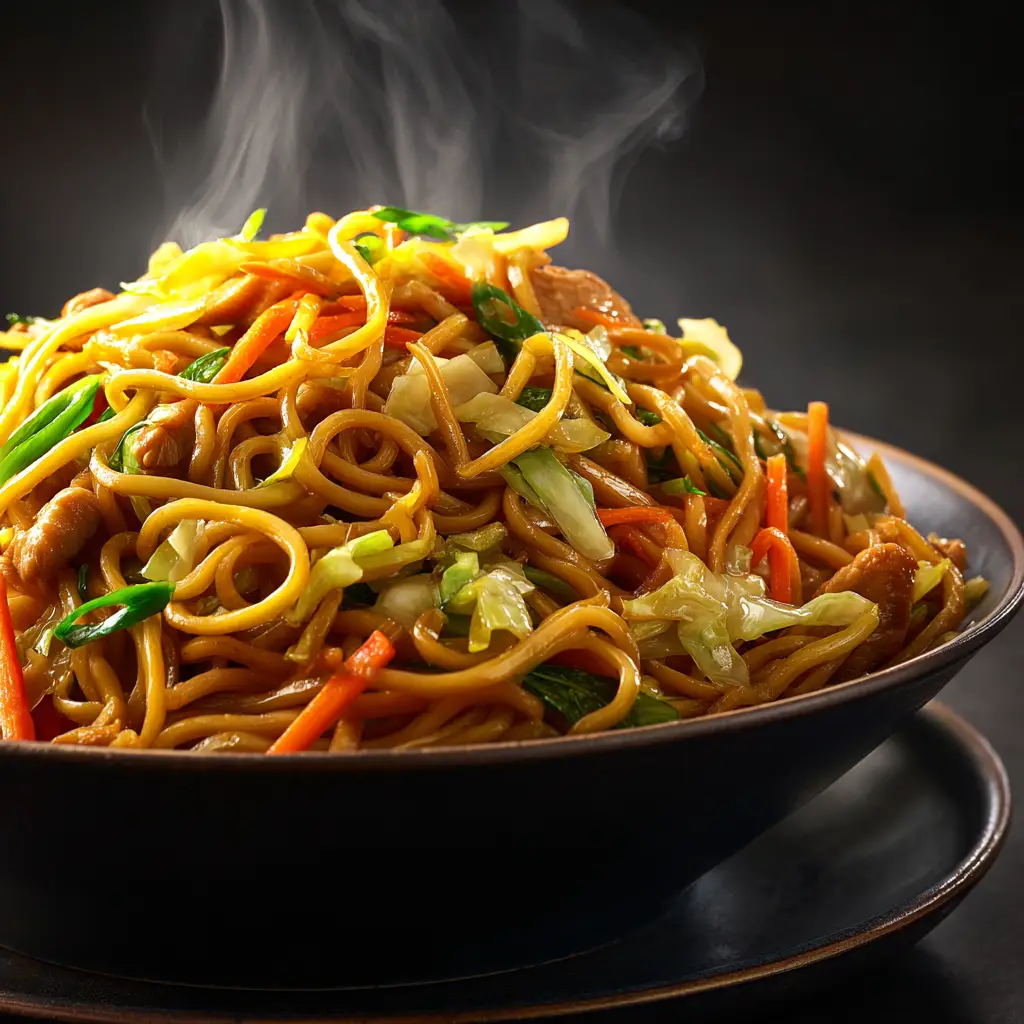
Tips for the Best Chow Mein
- Don’t Overcook the Noodles: Cook them just until they are al dente. They will cook a bit more in the skillet, and you want to avoid them becoming mushy.
- Prep in Advance: Stir-frying is a fast process. Have all your vegetables chopped, your sauce mixed, and your ingredients ready to go before you even turn on the stove.
- High Heat is Key: For that signature “wok hei” flavor, make sure your skillet is nice and hot before you start cooking.
- For Crispier Noodles: After boiling and draining the noodles, heat a tablespoon of oil in the skillet and fry the noodles for a few minutes on each side until they are golden and slightly crispy before adding the other ingredients.
Recipe Variations
One of the best things about this Chow Mein Recipe is its versatility. Feel free to experiment!
- Beef Chow Mein: Use thinly sliced flank steak instead of chicken.
- Shrimp Chow Mein: Add raw shrimp in the last few minutes of cooking, just until they turn pink.
- Vegetable Chow Mein: Omit the meat and double up on the vegetables. Broccoli florets, bell peppers, and snap peas are all excellent additions. If you love Asian-inspired soups, you might also enjoy our Ginger Garlic Chicken Noodle Soup.
How to Store and Reheat Leftovers
Store any leftover chow mein in an airtight container in the refrigerator for up to 3-4 days. You can reheat it in the microwave or in a skillet over medium heat. If reheating in a skillet, you might want to add a splash of water or soy sauce to loosen up the noodles.
Frequently Asked Questions
Absolutely! Chow mein is very versatile. Feel free to add or substitute vegetables like broccoli florets, bell peppers, snap peas, mushrooms, or bok choy.
For crispier noodles, after boiling and draining them, pan-fry them in a thin layer of hot oil for a few minutes per side until they are golden brown and crispy before adding them to the main stir fry.
Homemade chow mein can be a healthy option because you control the ingredients. You can load it with fresh vegetables, use lean protein, and control the amount of sodium and oil, making it much healthier than many takeout versions.
You can use either fresh or dried chow mein noodles, which are typically made from wheat flour and egg. If you can’t find them, you can substitute spaghetti or ramen noodles in a pinch.
The primary difference is the noodle preparation. In chow mein, the noodles are often stir-fried to be crispy, while in lo mein, soft-boiled noodles are tossed with sauce and other ingredients.
Enjoy Your Homemade Chow Mein!
This Chow Mein Recipe is a game-changer for quick, delicious, and healthy weeknight meals. It’s packed with flavor, loaded with fresh ingredients, and so much better than ordering takeout. We know you’ll love it as much as we do!
If you make this recipe, we’d love to see it! Please leave a comment below or share a picture on Pinterest!
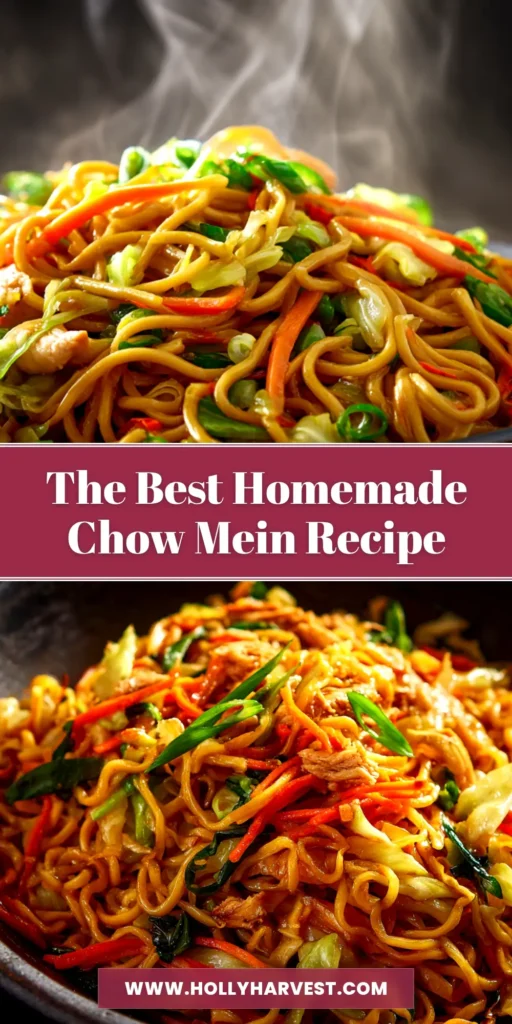
Chow Mein Recipe (Better Than Takeout!)
Chow Mein Recipe (Better Than Takeout!)
Ingredients
Equipment
Instructions
- Cook the chow mein noodles according to the package directions. Drain them well and set aside.
- In a small bowl, whisk together the soy sauce, oyster sauce, sesame oil, cornstarch, and brown sugar. Set this aside.
- Heat 1 tbsp of oil in a large skillet or wok over medium-high heat. Add the thinly sliced chicken and cook until it's golden brown and cooked through. Remove the chicken from the skillet and set it aside.
- Add the remaining 1 tbsp of oil to the skillet. Add the minced garlic and grated ginger and cook for about 30 seconds until fragrant. Add the carrots and cabbage, stir-frying for 3-4 minutes until they are tender-crisp.
- Add the cooked noodles, cooked chicken, and bean sprouts to the skillet with the vegetables. Pour the prepared sauce over everything.
- Use tongs to toss everything together, ensuring the noodles and veggies are well-coated in the sauce. Cook for another 1-2 minutes until everything is heated through. Garnish with sliced green onions and serve immediately.
Notes
Tip 2: For crispier noodles, pan-fry the cooked noodles in a bit of oil before adding them to the stir fry.
Tip 3: Feel free to substitute the vegetables with others you have on hand like broccoli, bell peppers, or snap peas.