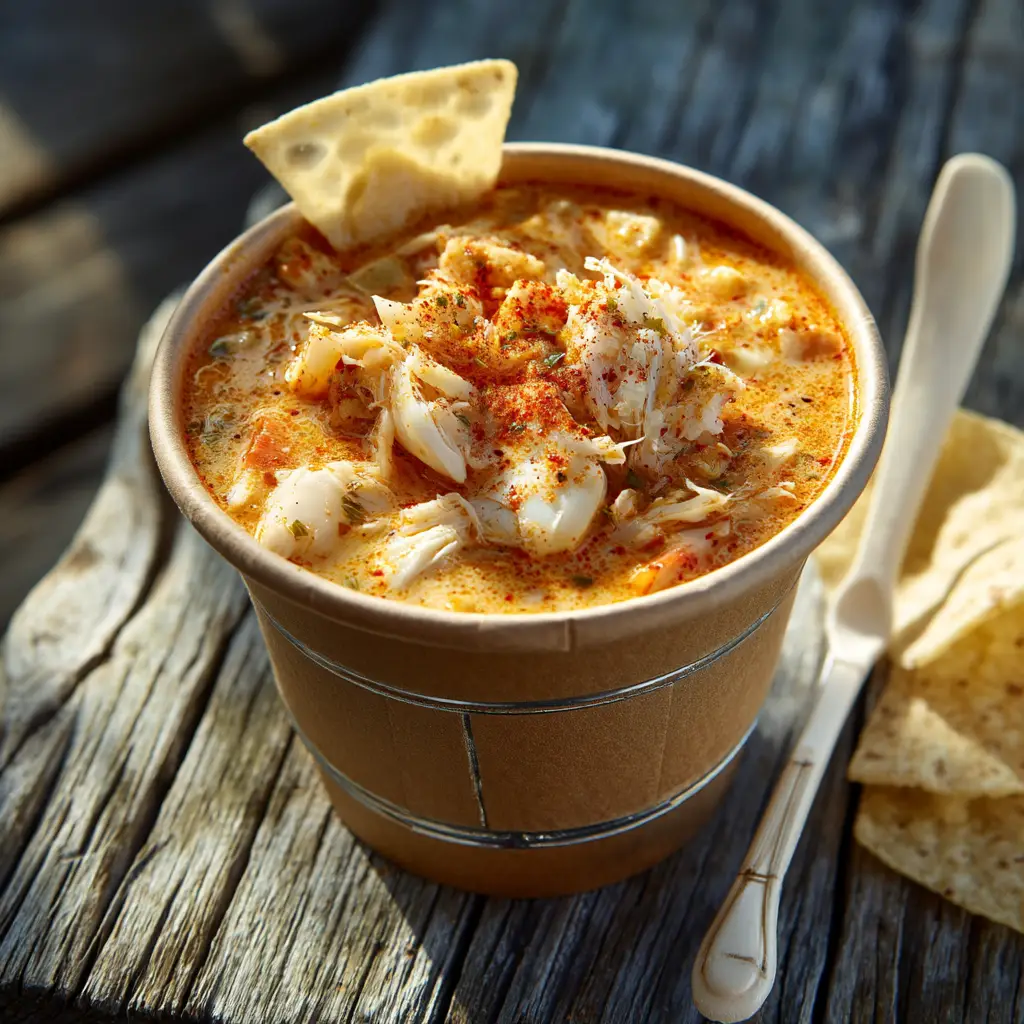
There are few dishes as comforting and luxurious as a warm bowl of crab stew. This Crab Stew Recipe is the ultimate guide to creating a rich, creamy, and deeply flavorful meal that feels like a special occasion but is simple enough for a weeknight. Forget bland, watery soups; this recipe builds layers of flavor from a savory base to the sweet, delicate crab meat, resulting in a truly unforgettable dish. Whether you’re a seasoned pro or new to making seafood stews, this recipe will become a treasured favorite.
We’ll walk through every step, ensuring you have the confidence to create a restaurant-quality stew in your own kitchen. From selecting the perfect crab meat to simmering the broth to perfection, you’re in the right place to master this classic comfort food.

Why This is the Best Crab Stew Recipe
What sets this Crab Stew Recipe apart is its focus on a robust flavor base. We start with the “holy trinity” of Southern cooking—onions, celery, and bell peppers—and build upon it with garlic, savory herbs, and a touch of Old Bay seasoning for that classic coastal taste. A simple roux thickens the stew to a perfect, velvety consistency without making it heavy. The result is a creamy, satisfying stew where the sweet crab meat is the star of the show. It’s rich, balanced, and incredibly delicious.
Ingredients for a Perfect Crab Stew
Gathering your ingredients is the first step to success. Here’s what you’ll need:
- Butter: Provides a rich base for sautéing the vegetables.
- Vegetables: A mix of yellow onion, celery, and a green bell pepper creates the essential aromatic base.
- Garlic: Freshly minced garlic adds a pungent depth of flavor.
- All-Purpose Flour: To create a roux that thickens the stew.
- Seafood or Chicken Broth: Seafood broth is ideal, but a quality chicken broth is a great substitute.
- Heavy Cream: This is the key to the stew’s luxurious, creamy texture.
- Potatoes: Diced potatoes make the stew heartier and more filling.
- Seasonings: Old Bay seasoning, dried thyme, black pepper, and salt are all you need.
- Crab Meat: One pound of fresh, canned, or frozen lump crab meat. Be sure to pick through it for any shell fragments.
- Garnish: Fresh parsley and chives add a pop of color and freshness.
How to Make Crab Stew Step-by-Step
Follow these simple steps to create your delicious crab stew. It’s easier than you think!
- Sauté Aromatics: In a large Dutch oven or heavy-bottomed pot, melt the butter over medium heat. Add the diced onion, celery, and bell pepper. Cook, stirring occasionally, until the vegetables soften, about 5-7 minutes. Stir in the minced garlic and cook for another minute until fragrant.
- Make the Roux: Sprinkle the flour over the cooked vegetables. Stir constantly for about 2 minutes to cook out the raw flour taste. This roux will give the stew its body.
- Build the Broth: Slowly whisk in the seafood broth, a little at a time, to prevent lumps. Once all the broth is incorporated, bring the mixture to a simmer.
- Simmer: Add the diced potatoes, Old Bay seasoning, thyme, salt, and pepper. Reduce the heat to low, cover, and let it simmer for 15-20 minutes, or until the potatoes are tender.
- Add Cream and Crab: Stir in the heavy cream until well combined. Gently fold in the lump crab meat, being careful not to break it up too much. Allow the stew to heat through for another 5 minutes, but do not let it boil, as this can cause the cream to separate.
- Serve: Taste and adjust seasonings if necessary. Ladle the hot crab stew into bowls and garnish with fresh parsley and chives.
Choosing the Best Crab for Your Stew
The type of crab meat you use can significantly impact the final dish. Here’s a quick guide to help you choose the best option for this creamy crab stew recipe.
Fresh Crab Meat
If you can find it, fresh lump crab meat is the premier choice. It offers the best flavor and texture. You can usually find it in the refrigerated seafood section of your grocery store. It’s the most expensive option but worth the splurge for a special occasion.
Canned Crab Meat
Canned crab meat is a convenient and more affordable alternative. Look for “lump” or “backfin” crab meat for the best texture. Be sure to drain it well and gently pick through it to remove any bits of shell or cartilage before adding it to your stew.
Frozen Crab Meat
Frozen crab meat is another viable option. Thaw it completely in the refrigerator before using it. Like canned crab, drain any excess liquid and check it carefully for shells. Its quality is generally better than canned and is a great way to make this recipe more accessible.
Tips for a Flawless Crab Stew
- Don’t Boil the Cream: Once you add the heavy cream and crab, keep the heat low. Boiling can cause the cream to curdle and will make the delicate crab meat tough.
- Taste As You Go: Different broths and crab meats have varying levels of saltiness. Taste the stew before serving and adjust the salt and pepper as needed.
- Be Gentle with the Crab: Fold the crab meat in at the very end. The goal is to keep those beautiful lumps intact. For a different but equally delicious meal, try this crab-stuffed mushroom recipe.
What to Serve with Crab Stew
This rich and creamy crab stew is a meal in itself, but it pairs wonderfully with a few simple sides. A piece of crusty bread or oyster crackers for dipping is a must. For a fuller meal, serve it alongside a simple green salad with a light vinaigrette. If you enjoy a heartier meal, consider pairing it with one of our other popular dinner recipes, like our Cajun Chicken Alfredo Orzo. For those who love seafood, our Cajun Seafood Stuffed Potatoes are another fantastic choice.
Storage and Reheating Instructions
Store leftover crab stew in an airtight container in the refrigerator for up to 3 days. To reheat, warm it gently in a saucepan over low heat, stirring occasionally, until it’s heated through. Avoid microwaving, as it can overheat the crab and compromise the creamy texture.
Frequently Asked Questions About Crab Stew
Yes, you can prepare the stew base (up to the point before adding the cream and crab) a day in advance. When you’re ready to serve, gently reheat the base and then stir in the heavy cream and crab meat.
Store leftovers in an airtight container in the refrigerator for up to 3 days. Reheat gently on the stovetop over low heat. Avoid boiling or microwaving to maintain the best texture.
Crab stew is wonderful with crusty bread for dipping, oyster crackers, or a simple side salad with a light vinaigrette to cut through the richness.
Fresh lump crab meat offers the best flavor and texture. However, good quality canned or frozen lump crab meat are excellent, more accessible alternatives. Just be sure to drain them well and check for shells.
A bisque is a type of smooth, creamy soup that is traditionally made from shellfish, where the shells are used to make the stock. A stew, like this recipe, is typically heartier and chunkier, containing pieces of vegetables and meat.
More Recipes You’ll Love
If you loved this Crab Stew Recipe, we know you’ll enjoy exploring more of our comforting and flavorful dishes. Leave a comment below to let us know how it turned out, and don’t forget to share your beautiful creations on Pinterest!

Crab Stew Recipe
Crab Stew Recipe: A Rich and Creamy Delight
Ingredients
Equipment
Instructions
- In a large Dutch oven, melt butter over medium heat. Add onion, celery, and bell pepper, and cook until softened, about 5-7 minutes. Stir in the garlic and cook for 1 more minute until fragrant.
- Sprinkle the flour over the vegetables and stir constantly for 2 minutes to cook out the raw flour flavor.
- Gradually whisk in the seafood broth until smooth. Add the diced potatoes, Old Bay seasoning, thyme, salt, and pepper.
- Bring to a simmer, then reduce heat to low, cover, and cook for 15-20 minutes, or until the potatoes are fork-tender.
- Stir in the heavy cream. Gently fold in the lump crab meat and heat for 5 minutes over low heat. Do not boil. Serve hot, garnished with fresh parsley.
Notes
Be very gentle when stirring in the crab meat to keep the lumps intact.
For an extra kick, add a dash of your favorite hot sauce when serving.