Unlock the one simple gelatin recipe trick that will forever change how you make Jell-O and other gelatin desserts. Say goodbye to clumps and hello to perfectly smooth, jiggly, and delicious results every single time. It’s easier than you think!
We’ve all been there. You follow the instructions on the box, but you’re left with a bowl of lumpy, cloudy, or rubbery gelatin. It’s a frustrating experience, especially when you’re trying to create a beautiful dessert. But what if there was one key step that could solve all these problems?
This guide will walk you through that game-changing technique, explain the simple science behind it, and provide a foundational recipe to put it into practice today.
Why Your Gelatin Fails: Common Problems this Trick Solves
Before we reveal the secret, let’s identify the common culprits of gelatin failure. Many home cooks struggle with clumps of undissolved powder, a cloudy appearance instead of a vibrant, clear gel, or a texture that’s more rubbery than delightfully jiggly. Often, these issues stem from improper dissolving techniques. Using water that’s too hot or too cold, or not allowing the gelatin to hydrate properly, can ruin your dessert before it even makes it to the fridge. This gelatin recipe trick tackles all these issues at once.
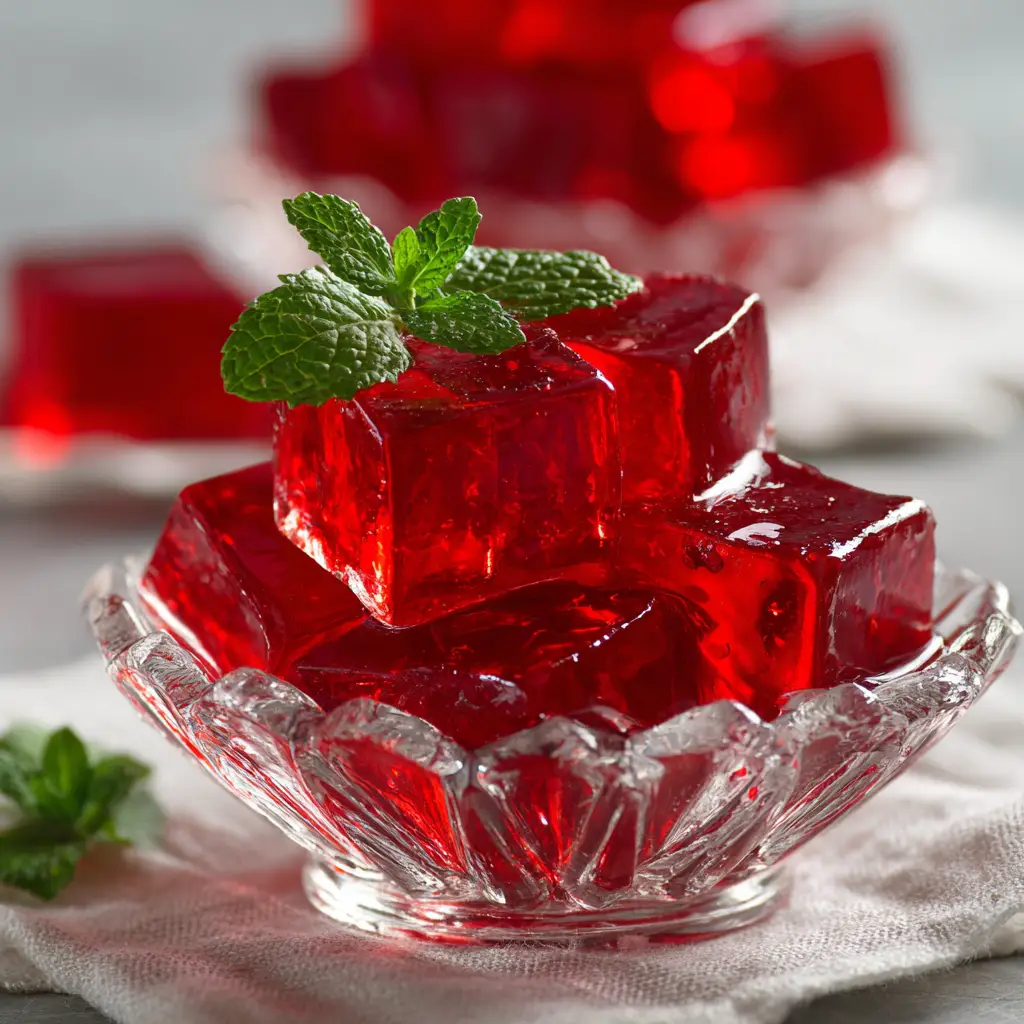
The Ultimate Gelatin Recipe Trick You Need to Know
The secret isn’t about a fancy ingredient or complicated equipment. The most important gelatin recipe trick is a two-part process: a patient cold bloom followed by gentle, indirect heat. This method ensures every single grain of gelatin dissolves perfectly, leading to a flawless final product.
Step 1: The Cold Bloom (And Why It’s Crucial)
First, always “bloom” your gelatin. This means sprinkling the powdered gelatin over a small amount of cold liquid (like water or juice) and letting it sit undisturbed for about 5 to 10 minutes. You will see the powder absorb the liquid and swell up, becoming translucent and jelly-like. This step is non-negotiable as it softens the granules, preparing them for a smooth melt without clumping.
Step 2: Gentle Heat is Your Best Friend
Here’s the part most people get wrong. Never boil gelatin directly or add it straight to boiling water. Boiling can weaken the gelatin’s setting power, resulting in a soft or rubbery final product. Instead, gently warm the bloomed gelatin mixture over low heat or in a microwave in short 5-10 second bursts. You only need enough warmth to dissolve the swollen granules completely until the liquid is clear. If you’re looking for a great sweet and savory dish to try next, this Cranberry Pepper Jelly Appetizer is a real crowd-pleaser.
The Science Behind the Magic: Why This Gelatin Trick Works
Gelatin is made of protein strands. The cold bloom allows these strands to hydrate and untangle evenly. When you apply gentle heat, these hydrated strands dissolve into the liquid. As the mixture cools in the refrigerator, these proteins link back together to form a delicate, stable network that traps the liquid, creating the perfect gel structure. Rushing this process with high heat damages those protein strands, leading to a weaker, less desirable texture.
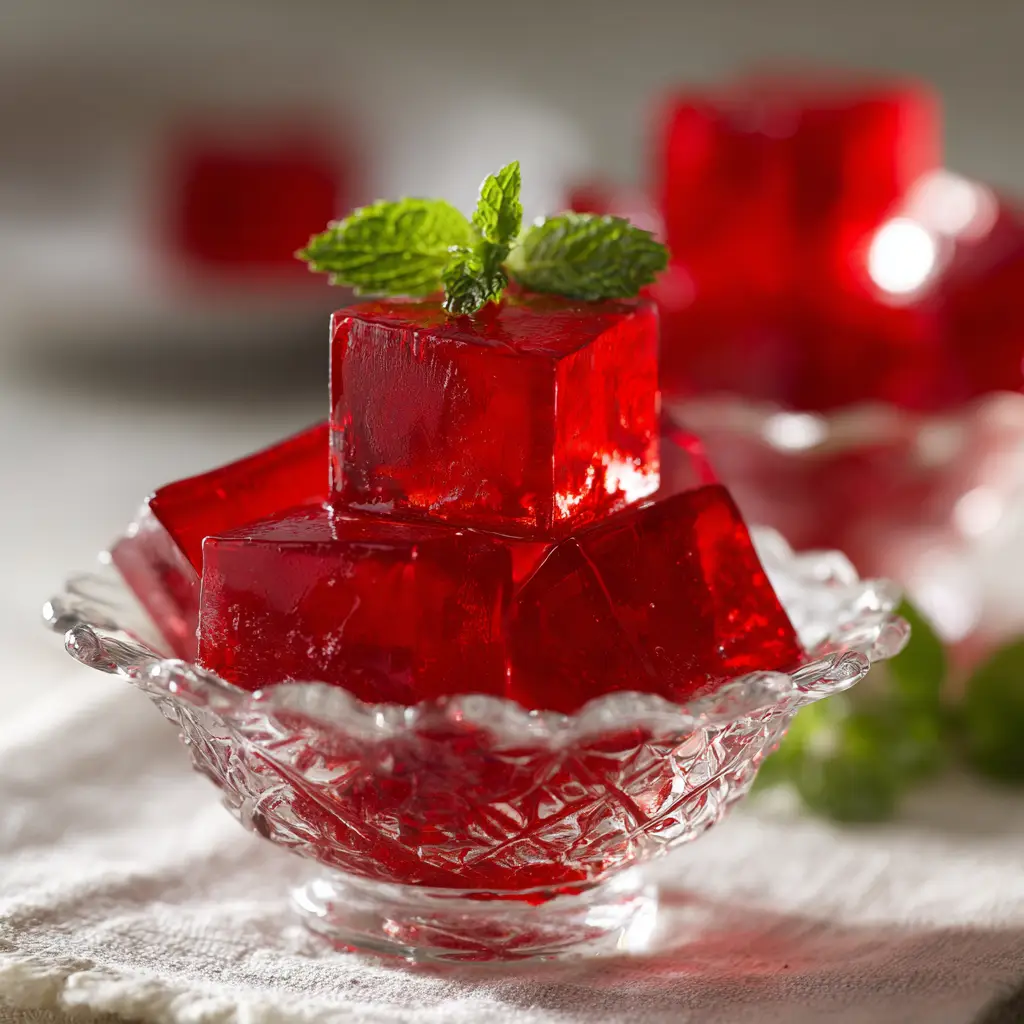
Putting the Trick into Action: A Perfect Clear Gelatin Recipe
This basic recipe is the perfect canvas for practicing the gelatin trick. You can use it as a base for countless desserts. For another simple yet elegant dessert, consider these Pecan Tassies. They are a guaranteed hit!
This foundational recipe demonstrates the power of the blooming trick, creating a beautifully clear and perfectly textured gelatin that can be flavored in endless ways.
The key is using a light-colored juice, like white grape or apple, to achieve that stunning, crystal-clear appearance. This simple method will become your go-to for any future gelatin-based creations.
Common Mistakes to Avoid When Making Gelatin
Even with the best trick up your sleeve, a few common mistakes can still trip you up. Being mindful of these will guarantee your success.
1. Boiling the Gelatin Mixture
As we’ve emphasized, boiling is the enemy of good gelatin. It denatures the proteins and weakens their gelling ability. Always use gentle, controlled heat just until the bloomed gelatin dissolves.
2. Using Certain Fresh Fruits
Some fresh fruits, including pineapple, kiwi, mango, and papaya, contain enzymes (proteases) that break down gelatin proteins and prevent them from setting. If you want to include these fruits, you must use their canned or cooked versions, as the heating process deactivates these enzymes. For a fun party appetizer that’s always a success, try these Honey Garlic Lil’ Smokies.
3. Not Measuring Accurately
Baking and dessert-making are a science. The ratio of liquid to gelatin is critical. Too much liquid results in a soft set, while too little can make it tough and rubbery. Always measure your ingredients precisely for consistent results.
More Than Just Dessert: Creative Uses for This Gelatin Trick
Mastering this gelatin recipe trick opens up a world of culinary possibilities beyond a simple bowl of Jell-O. You can use this technique to create homemade gummy candies with intense fruit flavor, elegant panna cotta with a silky-smooth texture, or even as a clarifying agent for stocks and consommés in savory cooking. The principle of blooming and gently dissolving is universal, giving you control over the texture and clarity of many dishes.
Frequently Asked Questions About Our Gelatin Recipe Trick
No, you should not use fresh or frozen pineapple, kiwi, mango, ginger, papaya, or guava. These fruits contain an enzyme called protease which breaks down the protein in gelatin and prevents it from setting. However, you can use the canned or cooked versions of these fruits, as the heating process deactivates the enzyme.
To improve the flavor, use high-quality fruit juice instead of just water. You can also add extracts like vanilla or almond, or infuse the liquid with herbs like mint or spices like cinnamon sticks while you warm it. Adjusting the sweetness with sugar or honey to complement the fruit juice also enhances the taste.
If your gelatin hasn’t set, it could be due to an incorrect liquid ratio, using fruits with setting-blocking enzymes (like raw pineapple or kiwi), or the gelatin being weakened by boiling. Unfortunately, once it fails to set, it’s very difficult to fix. It’s best to start over, ensuring accurate measurements and avoiding those specific raw fruits.
The key trick is to first ‘bloom’ the gelatin by sprinkling it over cold liquid and letting it sit for 5-10 minutes. Then, dissolve the bloomed gelatin using gentle, indirect heat—never boil it. This ensures every granule dissolves perfectly without clumping.
Lumps in gelatin are caused by the powder not dissolving properly. This usually happens when the gelatin is dumped into liquid all at once or added to water that is too hot. The blooming process described in our gelatin recipe trick is the best way to prevent any lumps.
From Our Kitchen to Yours
Now you’re equipped with the ultimate gelatin recipe trick to achieve dessert perfection. This simple but crucial technique of blooming in cold liquid and dissolving with gentle heat is the key to unlocking flawless gelatin every time. We can’t wait for you to try it and see the incredible difference it makes.
Share your stunning gelatin creations and let us know how this trick worked for you in the comments below! For more foolproof recipes and kitchen hacks, be sure to follow us on Pinterest.
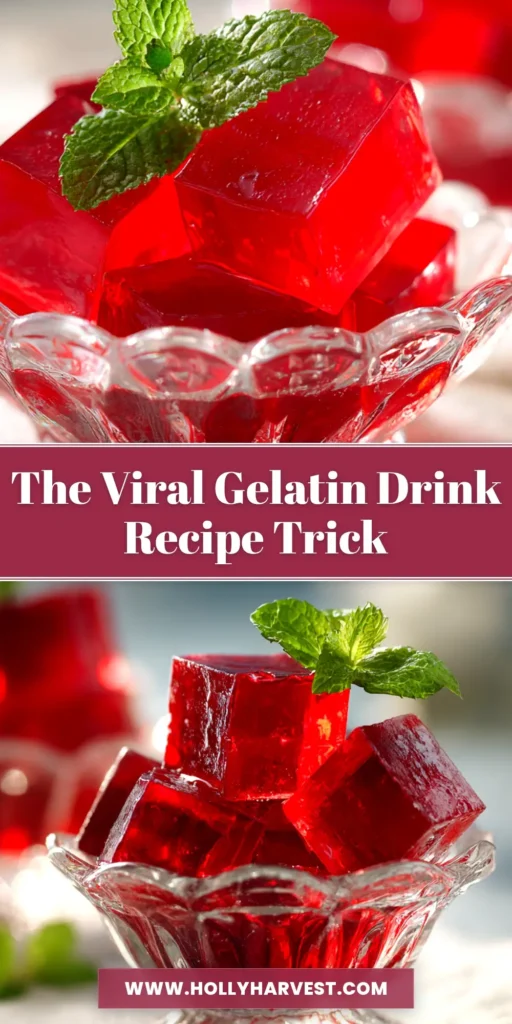
Perfect Clear Gelatin Recipe
Gelatin Recipe Trick: The Secret to Perfectly Smooth Jell-O
Ingredients
Equipment
Instructions
- Pour 1/4 cup of the cold water into a small bowl. Sprinkle the unflavored gelatin powder evenly over the water. Do not stir. Let it sit for 5-10 minutes to bloom and absorb the water.
- In a small saucepan, combine the remaining 1/4 cup of water, the fruit juice, and the sugar. Warm over medium-low heat, stirring occasionally, until the sugar has completely dissolved. Do not let it boil.
- Remove the saucepan from the heat. Add the bloomed gelatin to the warm juice mixture. Whisk gently until the gelatin is completely dissolved and the liquid is clear.
- Pour the mixture into your desired dish or molds. Refrigerate for at least 4 hours, or until firm.
- Once set, cut into cubes or unmold and serve chilled.
Notes
Avoid raw pineapple, kiwi, or papaya: These fruits contain enzymes that prevent gelatin from setting. Use canned or cooked versions instead.
Chill time is crucial: Do not try to rush the setting process by placing it in the freezer, as this can affect the final texture.