Unlock the secret to bakery-quality pies with this foolproof homemade pie crust recipe. Forget crumbly, tough, or disappointing crusts forever. This guide will walk you through creating a deliciously flaky, buttery, and versatile pie crust that will become your go-to for every sweet and savory creation. Whether you’re a seasoned baker or just starting, this recipe is designed for success.
We’re covering everything from the essential ingredients to pro tips for achieving that perfect texture. Get ready to elevate your baking game and impress everyone with a pie crust that’s truly made from scratch, with love.
Why This is the Only Pie Crust Recipe You’ll Ever Need
In a world of store-bought shortcuts, taking the time to make a homemade pie crust is a game-changer. The flavor and texture are simply unmatched. This recipe is meticulously tested to be reliable and straightforward, removing the intimidation factor and leaving you with pure, delicious results. It’s the perfect foundation for everything from a classic apple pie to a savory quiche.
- Unbeatable Flaky Texture: We use a combination of very cold butter and a specific mixing technique to create beautiful layers that puff up when baked.
- Rich, Buttery Flavor: Using high-quality butter provides a depth of flavor that store-bought crusts can’t replicate.
- Incredibly Versatile: This dough works perfectly for single-crust pies, double-crust pies, lattices, and even hand pies.
- Beginner-Friendly: The instructions are clear, concise, and packed with tips to guide you through every step of the process.
Key Ingredients for the Perfect Homemade Pie Crust
Great baking starts with simple, high-quality ingredients. This homemade pie crust recipe relies on just a handful of pantry staples to create something truly special. Here’s what you’ll need and why it matters.
- All-Purpose Flour: Provides the structure for the dough. Make sure to measure it correctly by spooning it into your measuring cup and leveling it off.
- Unsalted Butter: The star of the show! It must be very cold, cut into cubes. Cold butter creates steam pockets as it bakes, which results in those coveted flaky layers.
- Ice Water: Crucial for keeping the butter cold and bringing the dough together without overworking it. Add it one tablespoon at a time.
- Salt: Enhances the flavor of the butter and flour, balancing the overall taste.
- Optional: Granulated Sugar: A small amount can be added for a sweeter crust, perfect for dessert pies. You can omit it for savory dishes.
Essential Equipment
You don’t need a lot of fancy tools to make a fantastic pie crust. Here are the basics that will make the process smooth and successful:
- Pastry Blender or Food Processor: A pastry blender is the traditional tool for cutting butter into flour. A food processor makes the job even quicker and easier.
- Large Mixing Bowl: If making the dough by hand, you’ll need a spacious bowl.
- Rolling Pin: For rolling out your perfectly chilled dough.
- Plastic Wrap: Essential for chilling the dough and preventing it from drying out.
Step-by-Step Instructions for Your Homemade Pie Crust Recipe
Follow these steps carefully for a crust that’s tender, flaky, and easy to work with. Remember, the key is to work quickly and keep your ingredients as cold as possible.
Step 1: Combine the Dry Ingredients
In a large bowl, whisk together the flour and salt. If you’re making a sweet crust, add the sugar now. This ensures everything is evenly distributed before adding the fat.
Step 2: Cut in the Cold Butter
Add your cold, cubed butter to the flour mixture. Using a pastry blender or your fingertips, cut the butter into the flour until the mixture resembles coarse crumbs with some pea-sized pieces of butter remaining. These larger butter pieces are essential for creating flaky layers. If using a food processor, pulse a few times until you reach this consistency—be careful not to overmix!
Step 3: Add the Ice Water
Sprinkle the ice water over the mixture, one tablespoon at a time. Toss the mixture with a fork or spatula after each addition. Stop adding water as soon as the dough begins to come together in large clumps. You may not need all of the water.
Step 4: Form and Chill the Dough
Gently gather the dough into a ball. If the recipe makes two crusts, divide the dough in half. Flatten each half into a 1-inch thick disk and wrap it tightly in plastic wrap. Refrigerate for at least 1 hour, or up to 2 days. This chilling step is crucial—it allows the gluten to relax (preventing a tough crust) and ensures the butter is very cold before baking.
Step 5: Roll and Shape the Crust
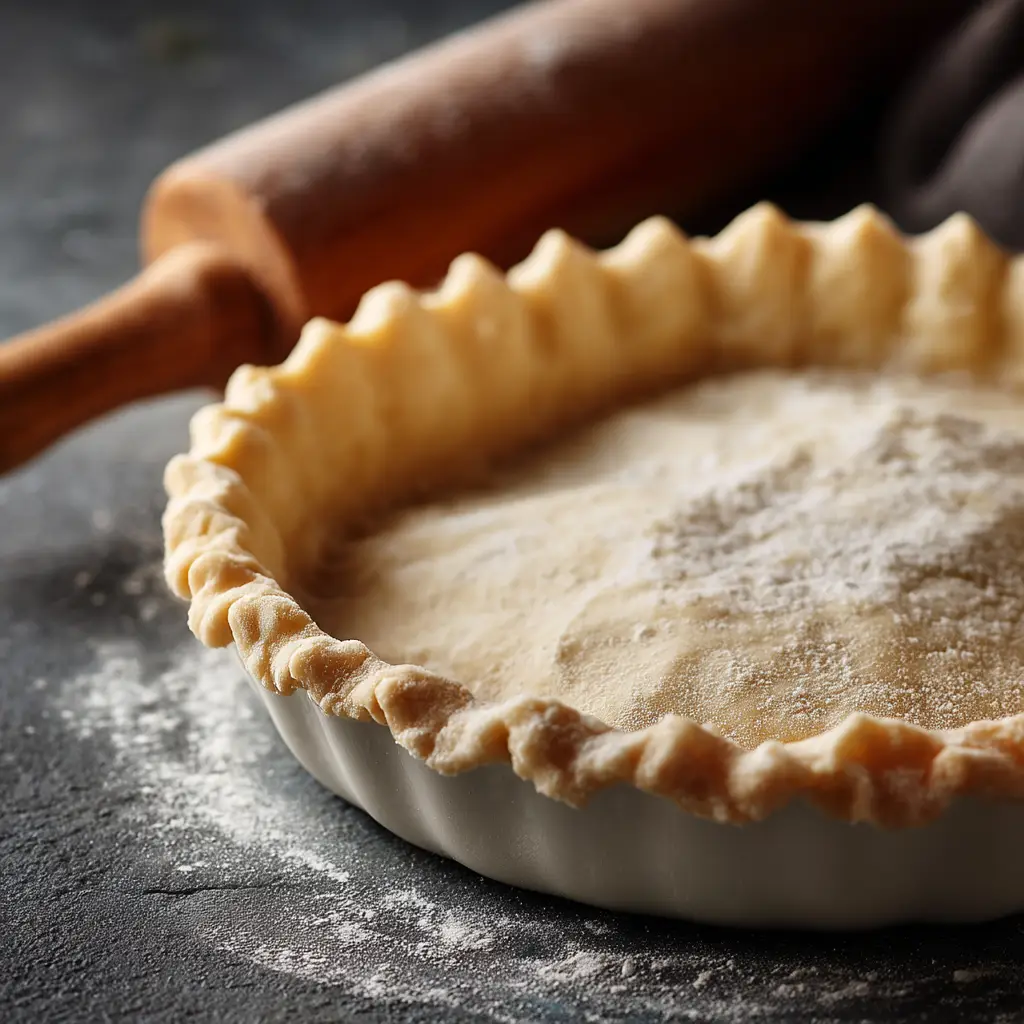
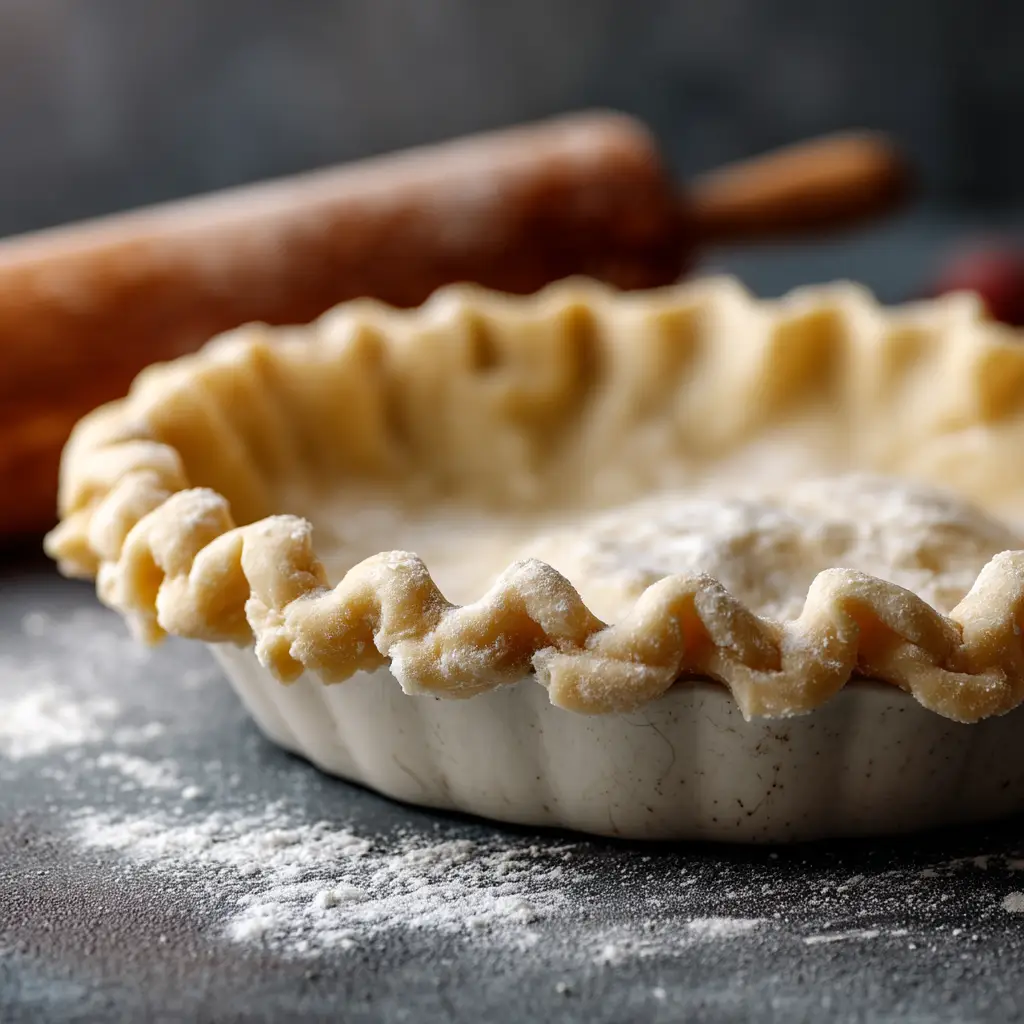
On a lightly floured surface, roll one disk of chilled dough into a circle about 12 inches in diameter for a 9-inch pie pan. Gently transfer the dough to your pie pan. Trim the overhang to about 1 inch, then fold the edge under and crimp as desired. For an even more spectacular dessert, try our Pecan Pie Cheesecake Recipe.
Pro Tips for a Flawless Pie Crust
Want to take your pie crust from good to great? Keep these expert tips in your back pocket.
- Keep Everything Cold: Your butter, your water, even your bowl and hands if possible. Cold fat is the secret to flakiness.
- Don’t Overwork the Dough: Overworking develops gluten, which leads to a tough, cracker-like crust. Mix just until the dough comes together.
- Let it Rest: Chilling the dough is a non-negotiable step. It makes the dough easier to roll out and prevents it from shrinking in the pan.
- Vent Your Top Crust: If making a double-crust pie, always cut a few slits in the top crust to allow steam to escape. This prevents a soggy filling and a blown-out crust.
Troubleshooting Common Pie Crust Problems
Even seasoned bakers run into issues. Here’s how to fix the most common pie crust problems.
- Tough Crust: This is usually caused by overworking the dough or adding too much water. Be gentle and use just enough water to bring the dough together.
- Shrinking Crust: If your crust shrinks down the sides of the pan, it likely wasn’t rested long enough in the fridge. Let it chill for at least an hour after fitting it into the pan and before baking.
- Soggy Bottom: To prevent a soggy bottom, bake your pie on the lowest rack in the oven. For very wet fillings, like in our special peach cake, you can also blind-bake the crust first.
For savory pie ideas, consider adapting the filling from our amazing Chicken Pot Pie with Red Lobster Biscuits.
Storing Your Homemade Pie Dough
One of the best things about this recipe is that you can make it ahead of time! Properly stored, your dough will be ready whenever a pie craving strikes.
- Refrigerator: Tightly wrapped in plastic, the dough disks can be stored in the refrigerator for up to 3 days.
- Freezer: For longer storage, wrap the disks in plastic wrap and then place them in a freezer-safe zip-top bag. The dough can be frozen for up to 3 months. Let it thaw overnight in the refrigerator before rolling it out.
Frequently Asked Questions
Absolutely! You can prepare the dough, wrap the disks tightly in plastic wrap, and store them in the refrigerator for up to 3 days or in the freezer for up to 3 months. Thaw frozen dough overnight in the fridge before using.
To prevent a soggy bottom, bake your pie on the bottom rack of your oven so the crust gets direct heat. For particularly wet fillings, you can also ‘blind bake’ the crust for 10-15 minutes before adding the filling.
This recipe uses all butter for the best flavor. Butter provides a rich taste and a wonderfully tender, flaky texture. While shortening can make a crust that’s slightly flakier, it lacks the superior flavor of butter.
The secret to a flaky pie crust is using very cold fat (like butter) and not overworking the dough. The cold butter creates steam pockets as it bakes, which separate the dough into countless delicate layers.
A tough pie crust is usually caused by two things: overworking the dough, which overdevelops gluten, or adding too much water. Mix the dough just until it comes together, and only add enough water for it to form a shaggy ball.
Enjoy Your Perfect Homemade Pie!
You now have the ultimate homemade pie crust recipe in your arsenal. This single recipe will serve as the perfect base for countless delicious pies, tarts, and quiches. The buttery flavor and incredibly flaky texture will have everyone asking for your secret. We can’t wait to see what you create!
If you loved this recipe, please share it with your friends and family. Don’t forget to save it to Pinterest so you can always find it!
Recipe Card
Homemade Pie Crust Recipe: A Foolproof Guide to Flaky Perfection
Ingredients
Equipment
Instructions
- In a large bowl, whisk together the flour, salt, and optional sugar.
- Add the cold, cubed butter. Using a pastry blender or your fingertips, cut the butter into the flour until the mixture resembles coarse crumbs with some pea-sized pieces of butter remaining.
- Sprinkle ice water over the mixture, 1 tablespoon at a time, tossing with a fork until the dough begins to form large clumps. Do not add too much water.
- Gently gather the dough into a ball and divide it in half. Flatten each half into a 1-inch thick disk, wrap tightly in plastic wrap, and refrigerate for at least 1 hour.
- On a lightly floured surface, roll a chilled disk into a 12-inch circle. Gently transfer to a 9-inch pie pan. Trim, fold the edge under, and crimp as desired before filling and baking according to your pie recipe.
Notes
Do Not Overwork: Mix the dough just until it comes together to avoid a tough crust.
Make Ahead: Dough can be refrigerated for up to 3 days or frozen for up to 3 months.