Welcome to the ultimate guide to creating a truly unforgettable Lemon Butter Chicken Francese right in your own kitchen. This dish, with its delicate, golden-crusted chicken cutlets and a velvety, bright lemon butter sauce, is the epitome of Italian-American comfort food. Forget saving this for a special occasion; this recipe is so straightforward and satisfying, you’ll be adding it to your weekly dinner rotation. It’s a taste of luxury without the fuss, perfect for a cozy weeknight meal or for impressing guests.
We’ve all been there: craving that restaurant-quality meal but feeling intimidated by the process. This recipe breaks it all down. We’ll walk you through creating perfectly tender chicken, a light and airy coating that fries to a beautiful golden brown, and a pan sauce that is bursting with zesty lemon and rich butter. Prepare to master this classic dish and fill your home with the most incredible aromas.
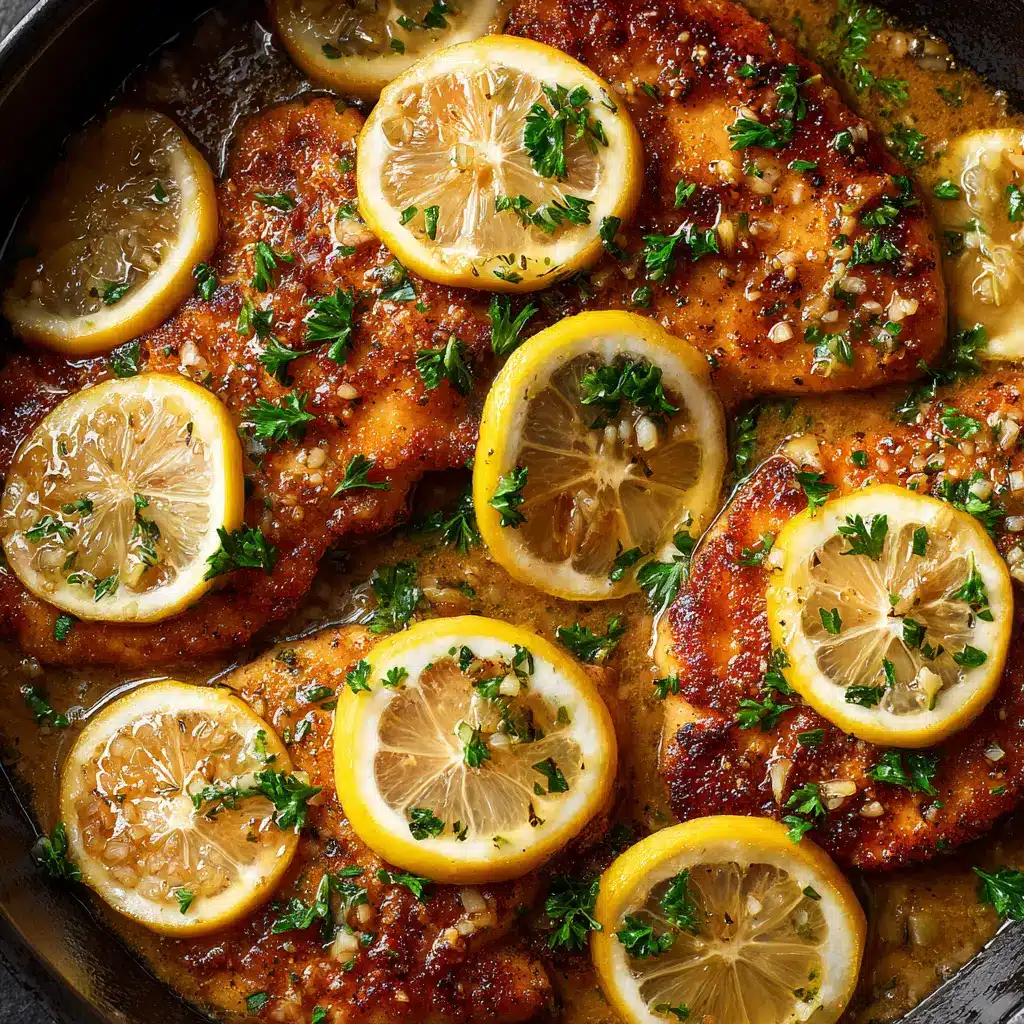
What is Chicken Francese?
Chicken Francese, meaning “in the French style,” is a classic Italian-American dish. It consists of thinly sliced chicken cutlets that are first dredged in flour, then dipped in a savory egg and Parmesan cheese batter before being pan-fried to a perfect golden brown. The star of the show, however, is the signature pan sauce—a vibrant and luscious combination of lemon juice, white wine, and chicken broth, all swirled together with cold butter to create a silky, emulsified finish. It’s often compared to Chicken Piccata, but its egg-based coating gives it a uniquely tender and richer texture.
Why You’ll Love This Lemon Butter Chicken Francese Recipe
- Incredibly Flavorful: The combination of tangy lemon, rich butter, and savory chicken is simply irresistible.
- Surprisingly Quick: This elegant dish comes together in under 45 minutes, making it perfect for busy weeknights.
- Beginner-Friendly: With clear, step-by-step instructions, even novice cooks can achieve a perfect result.
- Versatile: It pairs beautifully with a wide variety of sides, from pasta and potatoes to simple steamed vegetables.
Ingredients You’ll Need
The beauty of this Lemon Butter Chicken Francese lies in its simple, high-quality ingredients. Here’s what you’ll need to gather:
- Chicken: Thinly sliced boneless, skinless chicken breasts work best. Pounding them to an even thickness ensures they cook quickly and evenly.
- For the Dredge & Batter: All-purpose flour for the initial coating, and a batter of eggs, grated Parmesan cheese, fresh parsley, salt, and black pepper.
- For Frying: A combination of olive oil and unsalted butter provides the best flavor and browning.
- For the Sauce: Dry white wine (like a Pinot Grigio or Sauvignon Blanc), chicken broth, fresh lemon juice, and cold unsalted butter to finish.
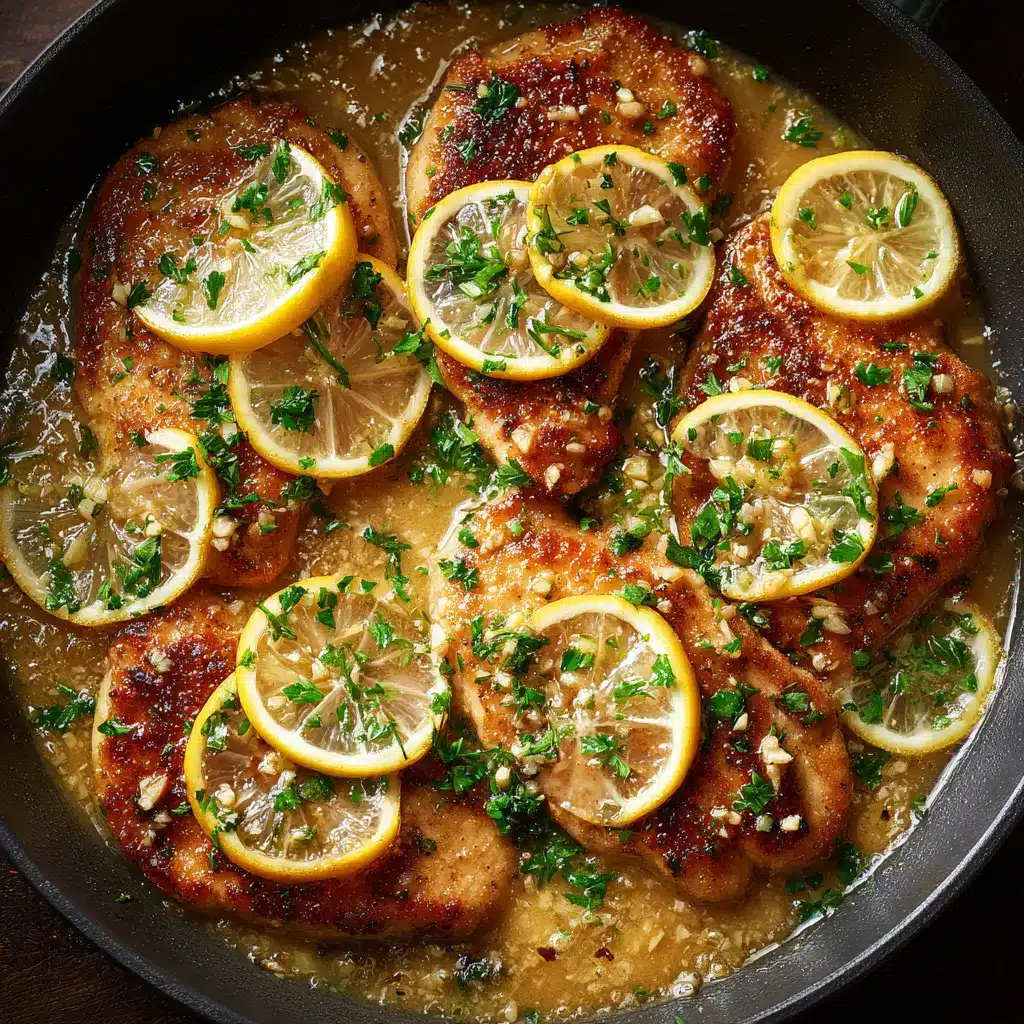
How to Make The Best Lemon Butter Chicken Francese
Follow these simple steps to create a show-stopping meal. The key is to work in stages—prepare your dredging station, cook the chicken, and then make the pan sauce.
1. Prepare the Chicken
Start by butterflying your chicken breasts, then pound them to an even ¼-inch thickness. This is the most crucial step for tender, quick-cooking chicken. Season both sides generously with salt and pepper.
2. Set Up Your Breading Station
You’ll need two shallow dishes. In the first, place the all-purpose flour. In the second, whisk together the eggs, grated Parmesan cheese, chopped parsley, salt, and pepper until well combined.
3. Dredge and Dip
Working with one cutlet at a time, dredge it in the flour, shaking off any excess. Then, dip the floured cutlet into the egg mixture, ensuring it’s fully coated. This two-step process creates the signature light and delicate crust.
4. Pan-Fry the Chicken
Heat olive oil and butter in a large skillet over medium-high heat. Once the butter is melted and foamy, carefully place the coated chicken cutlets in the skillet. Be sure not to overcrowd the pan; work in batches if necessary. Cook for 3-4 minutes per side, until golden brown and cooked through. Transfer the cooked chicken to a plate and set aside.
5. Create the Lemon Butter Pan Sauce
In the same skillet, reduce the heat to medium. Add the white wine and lemon juice, scraping up any browned bits from the bottom of the pan—this is where the flavor is! Let it simmer for a minute to cook off the alcohol. Pour in the chicken broth and bring to a gentle boil, allowing it to reduce slightly for 2-3 minutes. Remove the pan from the heat and whisk in the cold butter, one piece at a time. This will create a smooth, emulsified sauce. Stir in the fresh parsley.
6. Finish and Serve
Return the cooked chicken to the skillet, spooning the luscious sauce over each piece. Let it warm through for a minute, then serve immediately. Garnish with extra parsley and lemon slices for a beautiful presentation.
Tips for Perfect Chicken Francese
- Don’t Skip Pounding the Chicken: This is non-negotiable for achieving tender, evenly cooked cutlets.
- Use Cold Butter for the Sauce: Whisking in cold butter off the heat is the secret to a creamy, emulsified sauce that won’t break.
- Fresh Lemon Juice is Key: Bottled juice simply can’t compare to the bright, zesty flavor of freshly squeezed lemons.
- Control Your Pan Temperature: If the chicken is browning too quickly, reduce the heat. The coating is delicate and can burn easily. For another amazing pan-fried chicken recipe, check out this Longhorn Parmesan Crusted Chicken.
What to Serve with Chicken Francese
This dish is incredibly versatile. It’s traditionally served over pasta, like angel hair or linguine, to soak up all the delicious sauce. However, it’s also fantastic with creamy mashed potatoes, risotto, or a side of roasted asparagus or steamed green beans. For a lighter meal, serve it alongside a simple green salad dressed with a bright lemon vinaigrette. Want a creamy dip on the side? Try this easy garlic aioli.
Variations and Substitutions
- No Wine? No problem. You can substitute the white wine with an equal amount of additional chicken broth and an extra squeeze of lemon juice to maintain the acidity.
- Add Capers: For a dish that leans more towards Chicken Piccata, feel free to add a tablespoon or two of drained capers to the sauce.
- Make it Gluten-Free: Simply substitute the all-purpose flour with your favorite gluten-free all-purpose blend. This recipe for Garlic Butter Steak Bites is another great gluten-free option.
This dish is best served fresh to maintain the crispy coating. However, you can prepare the chicken cutlets (dredge and dip) a few hours ahead and store them in the refrigerator. Cook and make the sauce just before serving for the best results.
To prevent a soggy crust, ensure your pan and oil are hot enough before adding the chicken. Don’t overcrowd the pan, as this lowers the temperature and steams the chicken instead of frying it. Also, serve the dish immediately after spooning the sauce over the chicken.
If you prefer not to use wine, you can substitute it with an equal amount of chicken broth. To replicate the acidity of the wine, add an extra tablespoon of fresh lemon juice.
Boneless, skinless chicken breasts are ideal. It is essential to slice them horizontally (butterfly) and then pound them to an even 1/4-inch thickness. This ensures they cook quickly and remain tender.
The main difference lies in the coating. Chicken Francese is dipped in an egg batter after being dredged in flour, which creates a richer, more tender crust. Chicken Piccata is only dredged in flour before being pan-fried. Additionally, Piccata is known for including capers in its sauce, while Francese typically does not.
This dish is best served fresh to maintain the crispy coating. However, you can prepare the chicken cutlets (dredge and dip) a few hours ahead and store them in the refrigerator. Cook and make the sauce just before serving for the best results.
To prevent a soggy crust, ensure your pan and oil are hot enough before adding the chicken. Don’t overcrowd the pan, as this lowers the temperature and steams the chicken instead of frying it. Also, serve the dish immediately after spooning the sauce over the chicken.
If you prefer not to use wine, you can substitute it with an equal amount of chicken broth. To replicate the acidity of the wine, add an extra tablespoon of fresh lemon juice.
Boneless, skinless chicken breasts are ideal. It is essential to slice them horizontally (butterfly) and then pound them to an even 1/4-inch thickness. This ensures they cook quickly and remain tender.
The main difference lies in the coating. Chicken Francese is dipped in an egg batter after being dredged in flour, which creates a richer, more tender crust. Chicken Piccata is only dredged in flour before being pan-fried. Additionally, Piccata is known for including capers in its sauce, while Francese typically does not.
Your New Favorite Chicken Dinner
This Lemon Butter Chicken Francese is more than just a recipe; it’s a culinary experience that brings elegance and comfort to your dinner table. It’s a dish that’s sure to gather compliments and become a requested favorite for years to come. Give it a try, and don’t forget to share your beautiful creations on Pinterest!

Lemon Butter Chicken Francese: A Restaurant-Quality Classic Made Easy
Master this classic Lemon Butter Chicken Francese with our foolproof recipe. Learn how to make tender, golden chicken cutlets in a silky, vibrant lemon butter sauce for a restaurant-quality meal in under 45 minutes.
Ingredients
Equipment
Instructions
- Season the pounded chicken cutlets on both sides with salt and pepper. Set up two shallow dishes: one with the all-purpose flour, and the other with a mixture of the whisked eggs, Parmesan cheese, 1 tbsp parsley, salt, and pepper.
- Dredge a chicken cutlet in the flour, shaking off the excess. Immediately dip it into the egg mixture, ensuring it is fully coated.
- Heat olive oil and 2 tbsp of butter in a large skillet over medium-high heat. Carefully place the coated chicken in the skillet and cook for 3-4 minutes per side, until golden brown and cooked through. Work in batches if needed. Transfer cooked chicken to a plate.
- Lower the heat to medium. Pour the white wine and lemon juice into the skillet, scraping up any browned bits from the bottom. Simmer for about 1 minute.
- Add the chicken broth and bring to a simmer, letting it reduce for 2-3 minutes. Remove the skillet from the heat.
- Whisk in the 4 tbsp of cold, cubed butter, one piece at a time, until the sauce is smooth and creamy. Stir in the remaining fresh parsley.
- Return the chicken to the skillet, spooning the sauce over the top. Serve immediately, garnished with extra parsley and lemon slices if desired.
Notes
Tip 1: For the best texture, pound the chicken to an even 1/4-inch thickness. This ensures it cooks quickly and stays tender.
Tip 2: Use a dry white wine like Pinot Grigio or Sauvignon Blanc. If you prefer to cook without alcohol, you can substitute it with more chicken broth and an extra squeeze of lemon juice.
Tip 3: Don't overcrowd the pan when frying the chicken. This will lower the oil temperature and can result in soggy, rather than crispy, chicken.
Lemon Butter Chicken Francese: A Restaurant-Quality Classic Made Easy
Ingredients
Equipment
Instructions
- Season the pounded chicken cutlets on both sides with salt and pepper. Set up two shallow dishes: one with the all-purpose flour, and the other with a mixture of the whisked eggs, Parmesan cheese, 1 tbsp parsley, salt, and pepper.
- Dredge a chicken cutlet in the flour, shaking off the excess. Immediately dip it into the egg mixture, ensuring it is fully coated.
- Heat olive oil and 2 tbsp of butter in a large skillet over medium-high heat. Carefully place the coated chicken in the skillet and cook for 3-4 minutes per side, until golden brown and cooked through. Work in batches if needed. Transfer cooked chicken to a plate.
- Lower the heat to medium. Pour the white wine and lemon juice into the skillet, scraping up any browned bits from the bottom. Simmer for about 1 minute.
- Add the chicken broth and bring to a simmer, letting it reduce for 2-3 minutes. Remove the skillet from the heat.
- Whisk in the 4 tbsp of cold, cubed butter, one piece at a time, until the sauce is smooth and creamy. Stir in the remaining fresh parsley.
- Return the chicken to the skillet, spooning the sauce over the top. Serve immediately, garnished with extra parsley and lemon slices if desired.
Notes
Tip 2: Use a dry white wine like Pinot Grigio or Sauvignon Blanc. If you prefer to cook without alcohol, you can substitute it with more chicken broth and an extra squeeze of lemon juice.
Tip 3: Don't overcrowd the pan when frying the chicken. This will lower the oil temperature and can result in soggy, rather than crispy, chicken.