Unlock the secret to bakery-quality cakes and cupcakes with this foolproof Swiss Meringue Buttercream recipe. If you’ve ever dreamed of a frosting that’s incredibly smooth, stable for decorating, and perfectly balanced in sweetness, you’ve come to the right place. This guide will walk you through every step, ensuring you achieve a light, airy, and luscious buttercream every single time. It’s the perfect elegant topping for everything from birthday cakes to wedding tiers.
Unlike traditional American buttercream, which can be overly sweet, this Swiss Meringue Buttercream uses a gentle heating process to create a stable meringue base. This method not only pasteurizes the egg whites but also results in a frosting with a superior, melt-in-your-mouth texture that pipes like a dream. Let’s dive in and master this essential cake decorating skill together.
What is Swiss Meringue Buttercream?
Swiss Meringue Buttercream is a type of frosting made by heating egg whites and sugar together over a double boiler. Once the sugar dissolves completely, the mixture is whipped into a stiff, glossy meringue. Finally, softened butter is slowly incorporated to create a silky, stable, and not-too-sweet frosting. It’s renowned for its exceptional texture and stability under various temperatures.
Why You’ll Love This Recipe
- Incredibly Smooth Texture: The meringue base creates a frosting that is unparalleled in its silky, luxurious feel.
- Perfectly Balanced Sweetness: It’s significantly less sweet than powdered sugar-based frostings, allowing the flavors of your cake to shine. Find a great use for it in this delicious chocolate cake filling.
- Extremely Stable: This buttercream holds its shape beautifully, making it ideal for intricate piping, smooth cake finishes, and holding up under fondant.
- Versatile Flavor Profile: It’s a wonderful blank canvas for a wide array of flavorings, from vanilla and chocolate to fruit purées and coffee extract.
Key Ingredients You’ll Need
The beauty of this recipe lies in its simplicity. You only need a few high-quality ingredients to create this exquisite frosting.
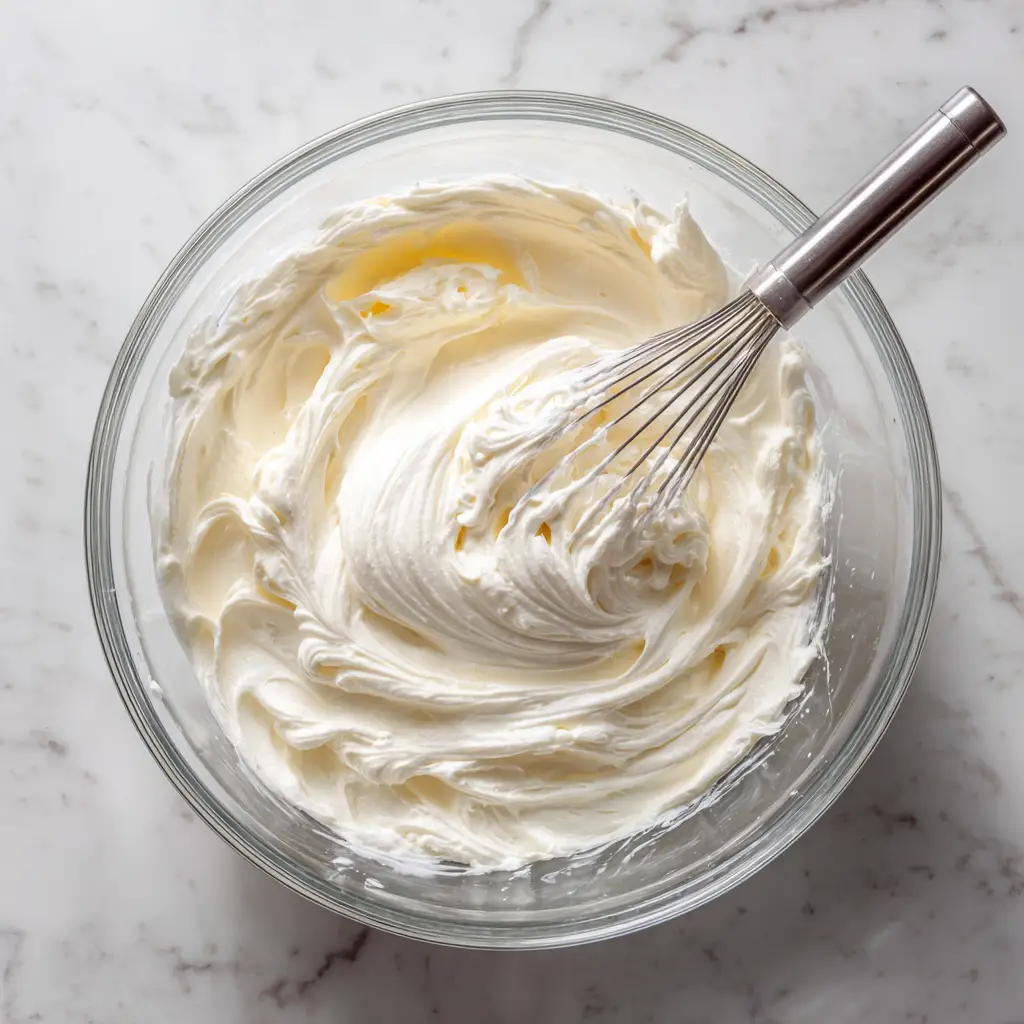
- Egg Whites: Use fresh, large egg whites. They are the foundation of your meringue. Ensure there is absolutely no yolk mixed in, as fat will prevent the meringue from whipping properly.
- Granulated Sugar: This dissolves into the egg whites to create the meringue base.
- Unsalted Butter: The quality of your butter matters. Use a good-quality, unsalted butter cut into cubes and softened to a cool room temperature (around 65°F or 18°C).
- Vanilla Extract: Pure vanilla extract provides the classic, delicious flavor.
- Salt: A pinch of salt enhances the flavors and balances the sweetness.
Essential Equipment
Having the right tools is crucial for a successful Swiss Meringue Buttercream. Here’s what you’ll need:
- Stand Mixer: A stand mixer with a whisk and paddle attachment is highly recommended due to the long whipping times.
- Double Boiler or a Saucepan and Heatproof Bowl: To gently cook the egg whites and sugar. The bowl should fit snugly on the saucepan without touching the simmering water below.
- Instant-Read Thermometer: This is critical for ensuring the egg white mixture reaches the correct temperature (160°F or 71°C) for safety and stability.
How to Make Swiss Meringue Buttercream: A Step-by-Step Guide
Follow these instructions carefully for a perfect result. We’ll break it down into three main phases: creating the meringue, whipping the meringue, and adding the butter.
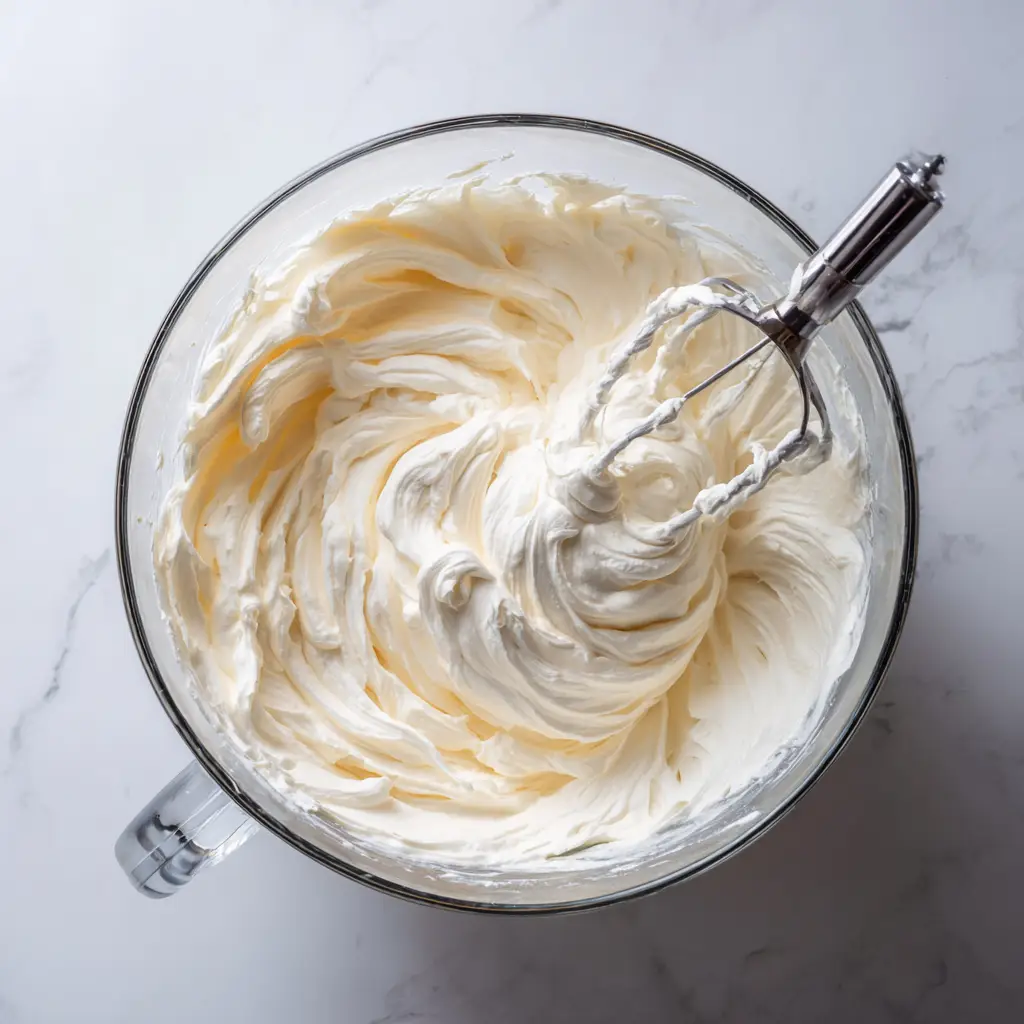
Phase 1: Cooking the Egg White and Sugar Mixture
- Set Up Your Double Boiler: Fill a saucepan with about an inch of water and bring it to a gentle simmer. Place a clean, heatproof bowl (preferably the bowl of your stand mixer) on top.
- Combine Ingredients: In the heatproof bowl, whisk together the egg whites and granulated sugar.
- Heat the Mixture: Continue whisking constantly over the simmering water until the mixture is hot to the touch and the sugar has completely dissolved. You can test this by rubbing a small amount between your fingers; it should feel perfectly smooth, not gritty.
- Check the Temperature: For safety and best results, use an instant-read thermometer to ensure the mixture reaches 160°F (71°C). This ensures the egg whites are pasteurized.
Phase 2: Whipping the Meringue
- Start Whipping: Carefully transfer the hot bowl to your stand mixer fitted with the whisk attachment. Be cautious, as the bowl will be hot.
- Whip to Stiff Peaks: Start on medium speed and gradually increase to high. Whip the mixture for 10-15 minutes, or until it has transformed into a thick, glossy meringue with stiff peaks.
- Cool Completely: This is a critical step. The outside of the bowl must feel completely cool to the touch before you add the butter. This can take another 10-15 minutes of whipping on a lower speed. Adding butter to a warm meringue will result in a soupy mess.
Phase 3: Incorporating the Butter
- Switch to the Paddle Attachment: Change from the whisk to the paddle attachment on your mixer.
- Add Butter Gradually: With the mixer on medium-low speed, begin adding the softened butter, one tablespoon at a time. Wait until each piece is mostly incorporated before adding the next.
- The “Curdled” Stage: Don’t panic! The mixture will likely look curdled, soupy, or separated after adding the butter. This is a completely normal part of the process. Trust the recipe and just keep mixing.
- Achieve Silky Smoothness: Continue to beat the buttercream on medium-high speed. After a few minutes (sometimes up to 5-10), it will magically come together, transforming into a thick, silky, and perfectly smooth frosting.
- Add Flavoring: Once the buttercream is smooth, mix in the vanilla extract and salt until just combined.
Troubleshooting Common Issues
Even seasoned bakers run into issues. Here’s how to fix the most common problems with Swiss Meringue Buttercream.
Why is my buttercream soupy?
A soupy buttercream is usually caused by one of two things: the meringue was too warm when the butter was added, or the butter itself was too soft. The fix is simple: place the entire mixing bowl in the refrigerator for 15-20 minutes to chill the mixture, then return it to the mixer and beat on high speed until it comes together.
Why has my buttercream curdled?
If your buttercream looks split or curdled, it’s typically because the butter was too cold. The fat and the meringue are struggling to emulsify. The solution is to gently warm the mixture. You can use a kitchen torch on the outside of the mixing bowl for a few seconds while the mixer is running, or take out about a cup of the buttercream, microwave it for 10-15 seconds until just melted, and pour it back into the curdled mixture while beating on high.
Flavor Variations
This Swiss Meringue Buttercream recipe is the perfect base for creativity. Try some of these delicious variations:
- Chocolate: Add 6 ounces of melted and cooled dark or semi-sweet chocolate at the end.
- Caramel: Drizzle in 1/2 cup of thick, cooled caramel sauce. You might also like these salted caramel cracker bites.
- Fruit: Mix in 1/2 cup of a thick fruit reduction or jam. Ensure it’s not too watery.
- Espresso: Dissolve 2 tablespoons of instant espresso powder in 1 tablespoon of hot water and add it with the vanilla.
FAQs About Swiss Meringue Buttercream
Yes! It stores wonderfully. Keep it in an airtight container in the fridge for up to 2 weeks or in the freezer for up to 3 months. Let it come to room temperature completely, then re-whip for 5 minutes until smooth before using.
It’s best to use gel food coloring, as liquid coloring can affect the consistency. Add the gel color at the very end and mix on low speed until you reach your desired shade.
No, it is significantly less sweet than traditional American buttercream. Its flavor is light and buttery, making it a perfect complement to other dessert flavors without being overpowering.
Both use a meringue base, but the method differs. Swiss meringue is made by heating egg whites and sugar together, then whipping. Italian meringue is made by pouring a hot sugar syrup into already whipping egg whites. Both result in a very stable frosting.
A soupy buttercream means the butter or meringue was too warm. Chill the bowl for 15-20 minutes and re-whip. A curdled buttercream means the butter was too cold. Gently warm the outside of the bowl with a kitchen torch or mix in a small amount of melted buttercream to help it emulsify.
Storing Your Buttercream
This frosting can be made ahead of time, which is perfect for party prep. Store it in an airtight container in the refrigerator for up to two weeks or in the freezer for up to three months. Before using, let it come to room temperature completely, then re-whip it in your stand mixer for 5-7 minutes to restore its silky texture. It’s as versatile as a simple powdered sugar frosting but with a much more elegant finish.
Share Your Creations!
Now that you’ve mastered the art of making perfect Swiss Meringue Buttercream, you’re ready to elevate your baking creations. We can’t wait to see what you make! If you loved this recipe, please leave a comment below and share your beautiful cakes and cupcakes with us on Pinterest. Happy baking!
The Recipe
Swiss Meringue Buttercream: The Ultimate Guide to Silky Smooth Frosting
Ingredients
Equipment
Instructions
- In a clean, heatproof bowl set over a saucepan of simmering water (double boiler), combine the egg whites and granulated sugar. Whisk constantly until the sugar has completely dissolved and the mixture reaches 160°F (71°C) on an instant-read thermometer.
- Transfer the bowl to a stand mixer fitted with the whisk attachment. Whip on medium-high speed for 10-15 minutes until a stiff, glossy meringue forms and the outside of the bowl is completely cool to the touch.
- Switch to the paddle attachment. With the mixer on medium-low speed, add the softened butter one tablespoon at a time. The mixture may look curdled or soupy; this is normal. Continue beating.
- Increase the speed to medium-high and beat for another 5-10 minutes until the buttercream comes together and is perfectly silky and smooth.
- Mix in the vanilla extract and salt until just combined. Use immediately or store as directed.
Notes
Troubleshooting Curdled Buttercream: If your buttercream looks split, the butter was likely too cold. Gently warm the sides of the mixing bowl with a kitchen torch for a few seconds while mixing, or mix a cup of melted buttercream back into the batch to help it emulsify.