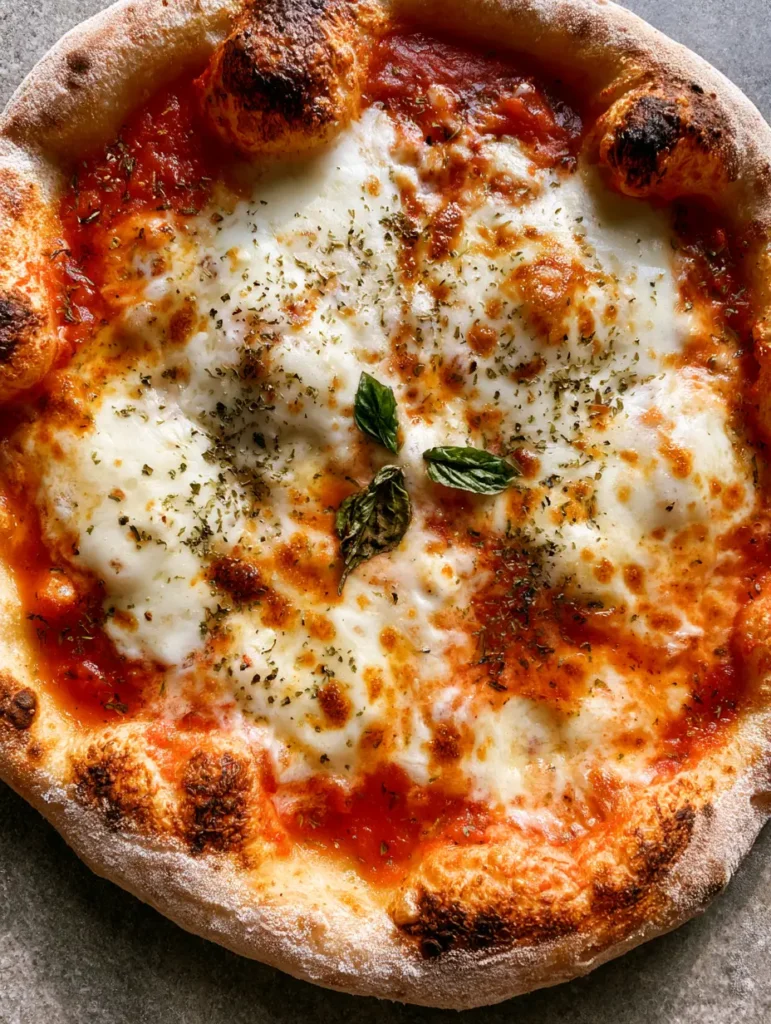
There is nothing quite like the sight of a rustic artisan pizza resting on a cold stone surface, its edges blistered with deep golden-brown charred air bubbles. If you have been searching for a way to transform your sourdough “waste” into a restaurant-quality meal, this Sourdough Discard Pizza Crust is the ultimate culinary solution.
This recipe bridges the gap between traditional fermentation and weeknight convenience, delivering a thin, hand-stretched base that rivals any wood-fired Neapolitan pie. Every bite offers a complex tang that only sourdough can provide, perfectly balanced by a vibrant tomato sauce and melted, bubbly mozzarella.
By leveraging the acidity of your discard, we create a dough that is incredibly easy to handle and produces that iconic flour-dusted rim you see in professional pizzerias. Prepare your taste buds for a crust that is crispy on the bottom, airy in the bubbles, and topped with those irresistible toasted cheese spots.
Why This Artisan Discard Dough Outperforms Every Other Recipe
- Visual Texture Mastery: Achieve those prominent charred bubbles and a rustic flour-dusted rim without needing a specialized outdoor pizza oven.
- Complex Flavor Profile: The sourdough discard adds a fermented depth that standard commercial yeast doughs simply cannot replicate in a single afternoon.
- Structural Integrity: This thin-crust methodology ensures the base stays crispy under a thick layer of melted white mozzarella, preventing the dreaded “soggy middle.”
- Waste-Free Baking: A delicious way to clear out your refrigerator’s discard stash while mastering the art of the hand-stretched artisan pie.
Essential Pantry Staples for a Rustic Sourdough Crust
Sourdough Discard: 1 cup (240g) of unfed discard provides the necessary acidity to relax the gluten, making the dough easy to stretch into a thin, artisan shape.
High-Protein Bread Flour: 2 ½ cups (300g) of bread flour is critical for developing the strength needed to hold those large, charred air bubbles during the high-heat bake.
Warm Filtered Water: ¾ cup (180ml) of water at roughly 105°F (40°C) hydrates the flour and activates the small amount of commercial yeast used for a reliable rise.
Fine Sea Salt: 1 tsp (5g) of salt tightens the gluten structure and ensures the crust doesn’t taste flat against the vibrant tomato sauce.
Extra Virgin Olive Oil: 1 tbsp (15ml) of oil in the dough helps achieve that golden-brown finish and a supple, workable texture.
Instant Yeast: 1 tsp (4g) acts as a safety net, working with the discard to ensure the dough creates those beautiful, airy pockets in under two hours.
Vibrant Tomato Sauce: ¾ cup (180ml) of a high-quality, herb-flecked sauce provides the moisture and acidity to balance the richness of the cheese. If you have extra sauce, try it on a French bread pizza for a quick lunch.
Low-Moisture Mozzarella: 1 ½ cups (170g) of shredded mozzarella creates that thick, bubbly white layer with localized toasted spots that define a professional pizza.
Dried Oregano & Fresh Basil: A light scattering of dried green oregano flakes and three small, slightly wilted fresh basil leaves provide the final aromatic punch and visual contrast.
Professional Tools for the Perfect Artisan Bake
To achieve the visual result of a top-down close-up artisan shot, you need a high-heat environment. A heavy-duty baking stone or a pizza steel is essential for transferring immediate heat to the bottom of the dough, forcing the air bubbles to expand and char quickly.
A wooden pizza peel is highly recommended for sliding your flour-dusted dough onto the hot stone. For the best results, use a handheld kitchen torch if your oven doesn’t create enough “leopard spotting” on the cheese, though a high-heat broiler usually does the trick.
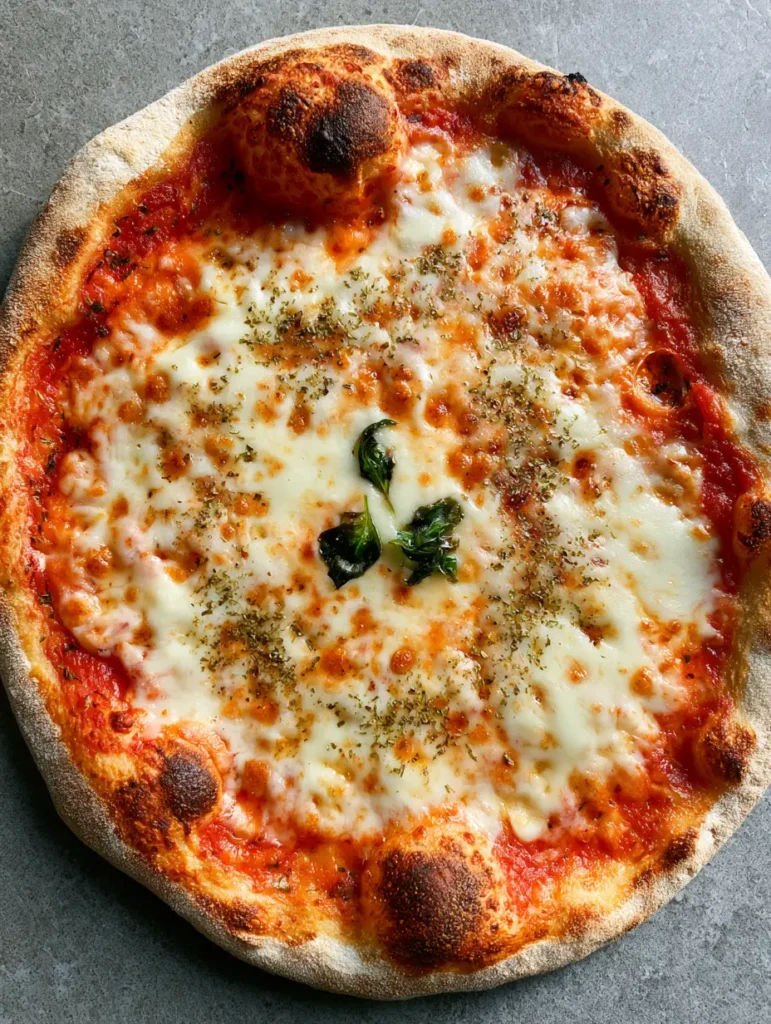
Mastering the Sourdough Discard Pizza Crust: Step-by-Step
1. Hydrating and Mixing the Artisan Dough
In a large glass bowl, combine your warm water, honey, and instant yeast. Let it sit for 5 minutes until a light foam forms on the surface, signaling the yeast is active and ready to work.
Whisk in your 1 cup (240g) of sourdough discard and olive oil until the mixture is smooth and milky. Gradually add the bread flour and salt, stirring with a wooden spoon until a shaggy, hydrated mass forms and no dry flour remains at the bottom of the bowl.
2. The Knead and First Proof
Turn the dough onto a lightly floured surface. Knead for 6-8 minutes, or until the dough feels elastic and “springs back” when poked; this gluten development is what allows the charred bubbles to form without popping.
Place the dough in a lightly greased bowl, cover with a damp cloth, and let it rise in a warm spot for 60-90 minutes. You are looking for the dough to double in size and feel full of pressurized air—this is the secret to a thin but airy sourdough discard pizza crust.
3. Hand-Stretching for the Flour-Dusted Rim
Preheat your oven with the pizza stone inside to its maximum temperature, usually 500°F (260°C), for at least 45 minutes. Divide your dough into two equal portions for two thin pizzas.
On a piece of parchment paper or a floured peel, gently press the dough from the center outward, leaving the edges slightly thicker. This creates the rustic, flour-dusted rim that will puff up and char in the intense heat.
4. Layering the Toppings for Visual Impact
Spread a thin layer of the vibrant red tomato sauce across the base, leaving the rim exposed. The sauce should show slight herb flecks through its translucent red glow, just like an artisan shop.
Top with a generous, thick layer of mozzarella cheese. Ensure the cheese reaches near the edges so it can melt and create those localized golden-brown toasted spots during the bake.
5. The High-Heat Bake and Final Garnish
Slide the pizza onto the hot stone. Bake for 8-10 minutes. Watch for the sensory cues: the smell of toasted grain and the sound of the cheese sizzling as it browns.
Once the crust shows prominent charred bubbles, remove from the oven. Immediately sprinkle with dried oregano and place three small fresh basil leaves near the center, allowing them to wilt slightly from the residual heat.
Expert Tips for the Most Realistic Artisan Results
- The Cold Ferment Hack: For even more bubbles, let your dough sit in the fridge for 24 hours after the initial rise. The cold temperature slows down the yeast and creates larger CO2 pockets.
- Avoid Over-Saucing: Too much sauce will steam the dough from the top down, preventing the thin crust from becoming crispy. A thin, vibrant layer is all you need.
- High Heat is Non-Negotiable: If your oven doesn’t hit 500°F (260°C), use the “Broil” setting for the last 2 minutes of baking to achieve those toasted cheese spots.
- Flour Choice: If you don’t have bread flour, All-Purpose works, but your bubbles will be smaller and the crust slightly softer.
Proven Storage and Reheating Methods
This pizza is best enjoyed immediately while the steam is still escaping the charred bubbles. However, if you have leftovers, wrap them tightly in foil and store them in the refrigerator for up to 3 days.
To reheat and maintain that crispy artisan texture, avoid the microwave. Place the slices in a cold skillet over medium heat, cover with a lid for 2 minutes to melt the cheese, then remove the lid for 1 minute to re-crisp the bottom of the Sourdough Discard Pizza Crust.
What to Serve with Your Artisan Pizza
A rustic pizza deserves a complete meal experience. Start your evening with a crisp green salad tossed in a Japanese steakhouse ginger dressing for a bright, acidic contrast to the rich mozzarella.
If you’re hosting a pizza party, pair this sourdough crust with other sourdough-based appetizers, like a side of sourdough discard focaccia dipped in olive oil and balsamic vinegar. For those who prefer a different protein profile, these garlic butter steak bites (coming soon) make an excellent high-protein side dish.
Frequently Asked Questions
Absolutely. After the first rise, coat the dough ball in olive oil, wrap tightly in plastic, and freeze for up to 3 months. Thaw in the refrigerator overnight before stretching.
Yes, you can use cold discard. However, ensure your water is warm (105°F) to help the dough reach a comfortable temperature for the yeast to activate and the dough to rise properly.
The secret is a combination of high-protein bread flour and a preheated pizza stone or steel at 500°F. The intense floor heat creates rapid steam expansion, forming those iconic charred bubbles.
While the sourdough discard adds flavor, a small amount of instant yeast ensures a reliable rise and better bubble structure for a same-day crust. For a yeast-free version, a much longer fermentation is required.
This usually happens from over-saucing or using high-moisture fresh mozzarella. Stick to a thin layer of sauce and low-moisture shredded mozzarella to keep the artisan crust crispy.
The Ultimate Sourdough Discard Pizza Recipe Card
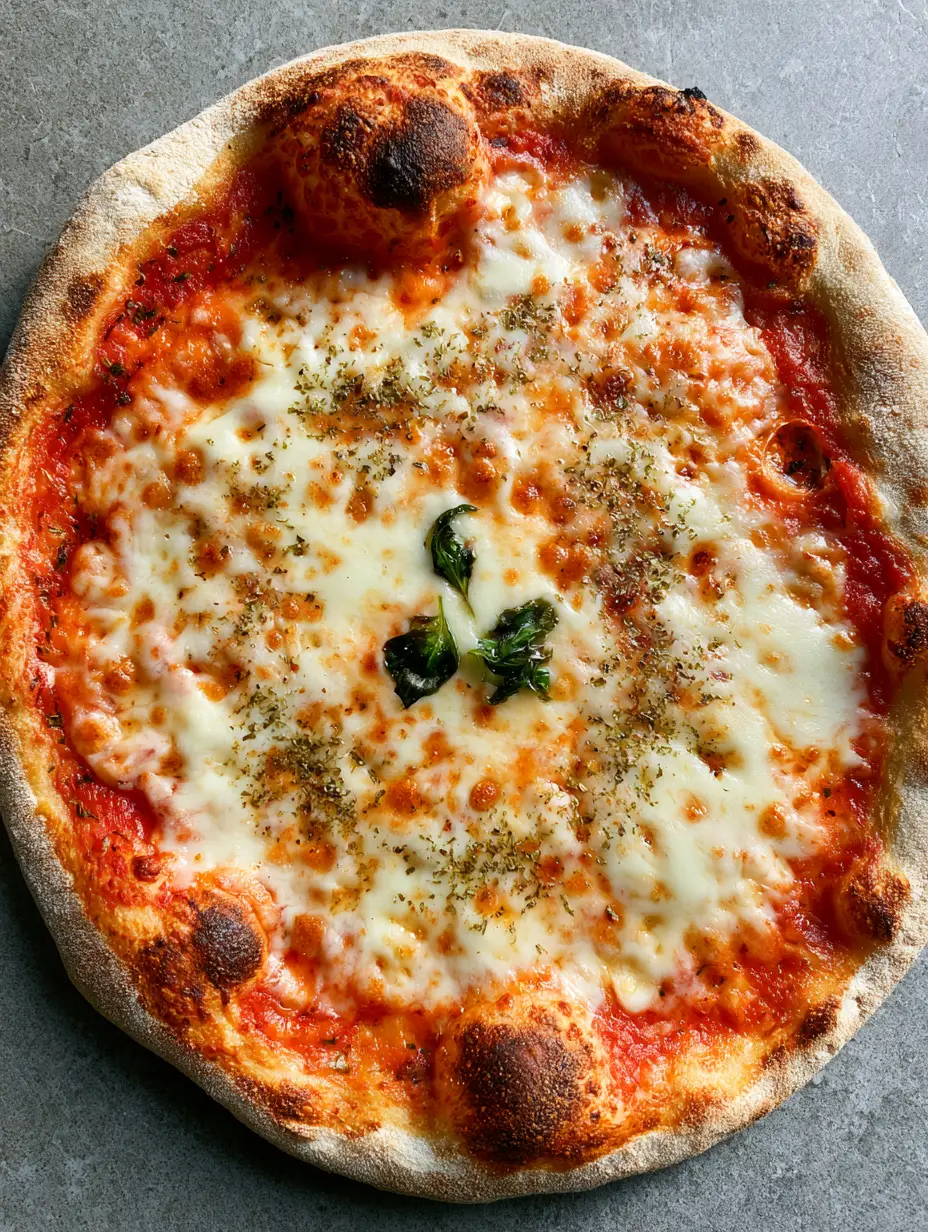
Sourdough Discard Pizza Crust: The Ultimate Thin and Crispy Artisan Recipe
Ingredients
Equipment
Instructions
- Combine warm water and yeast; let bloom. Whisk in discard and oil, then stir in flour and salt until a shaggy mass forms.
- Knead dough for 6-8 minutes until elastic. Place in a greased bowl and let rise for 60-90 minutes until doubled in size.
- Hand-stretch dough on a floured surface to create a thin base with a prominent, rustic, flour-dusted rim.
- Apply tomato sauce, mozzarella, and oregano. Bake at 500°F (260°C) on a preheated stone for 8-10 minutes until charred bubbles and toasted cheese spots appear. Garnish with fresh basil.
Notes
Preheating your pizza stone for at least 45 minutes is the key to a crispy bottom.

Bring the Pizzeria Home Today
Mastering the Sourdough Discard Pizza Crust is a rite of passage for any home baker. It turns a simple byproduct of sourdough maintenance into a gourmet masterpiece featuring charred bubbles, vibrant sauce, and perfectly toasted cheese.
We would love to see your artisan creations! Leave a comment below telling us how your crust turned out, or share a photo of your blistered rim on Pinterest. Don’t forget to sign up for our newsletter for more sourdough discard inspiration!